
F. Scott and Zelda Fitzgerald's Friends
in Photographs of Mr. F. Scott Fitzgerald
Childhood and Adolescent Friends
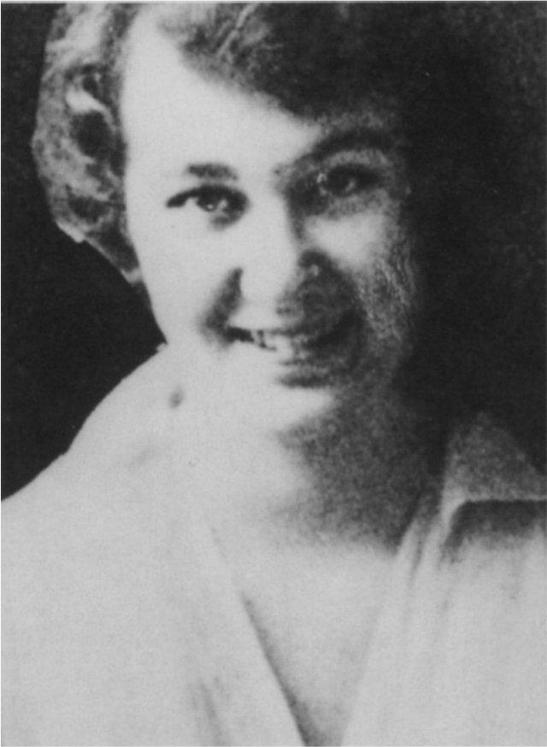
Marie Hersey, Scott’s school chum and later confidante in his home town St Paul, Minnesota
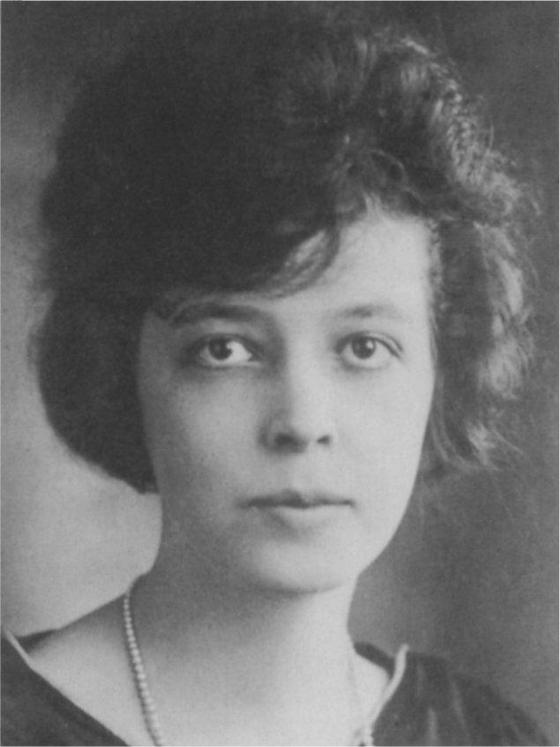
Sara Haardt, Zelda’s frail writer friend from Montgomery who died aged 37 in 1935. Sara always received more encouragement for her writing from her husband H.L. Mencken than Zelda did from Scott
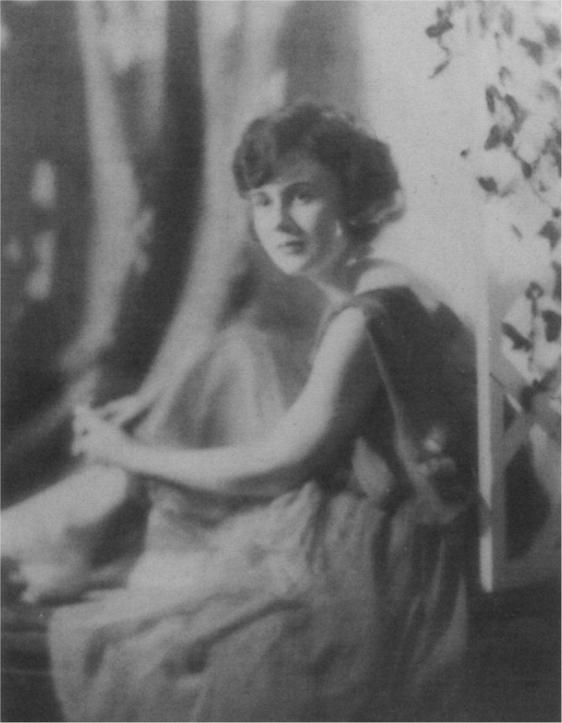
Katharine Elsberry Steiner, Zelda’s Montgomery soulmate. She and Zelda looked alike, dressed alike, and often thought alike
Princeton Friends
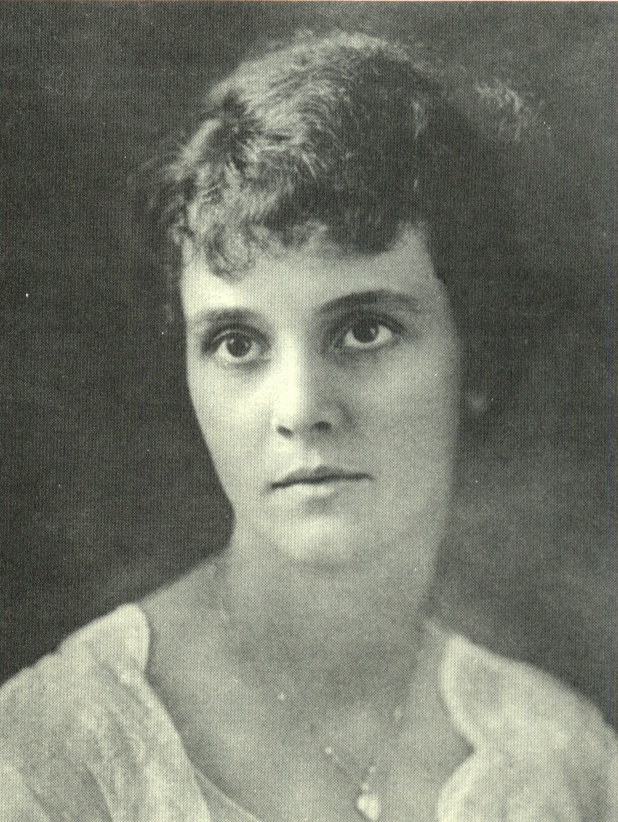
Ginevra King, c. 1915: “Flirt smiled from her large brown eyes and shone through her intense physical magnetism.” (Princeton University Library)
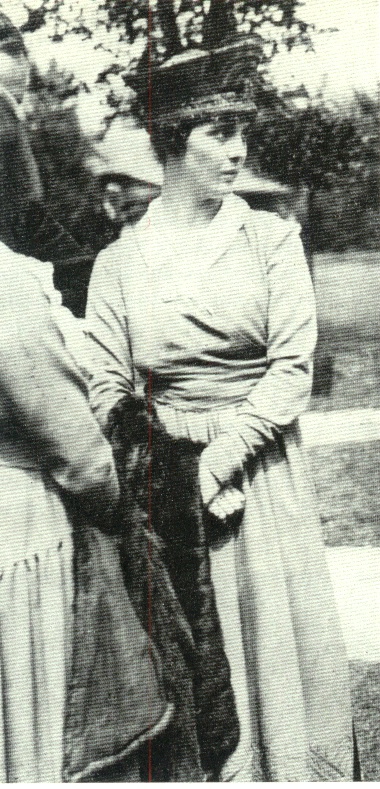
Ginevra King, c. 1915
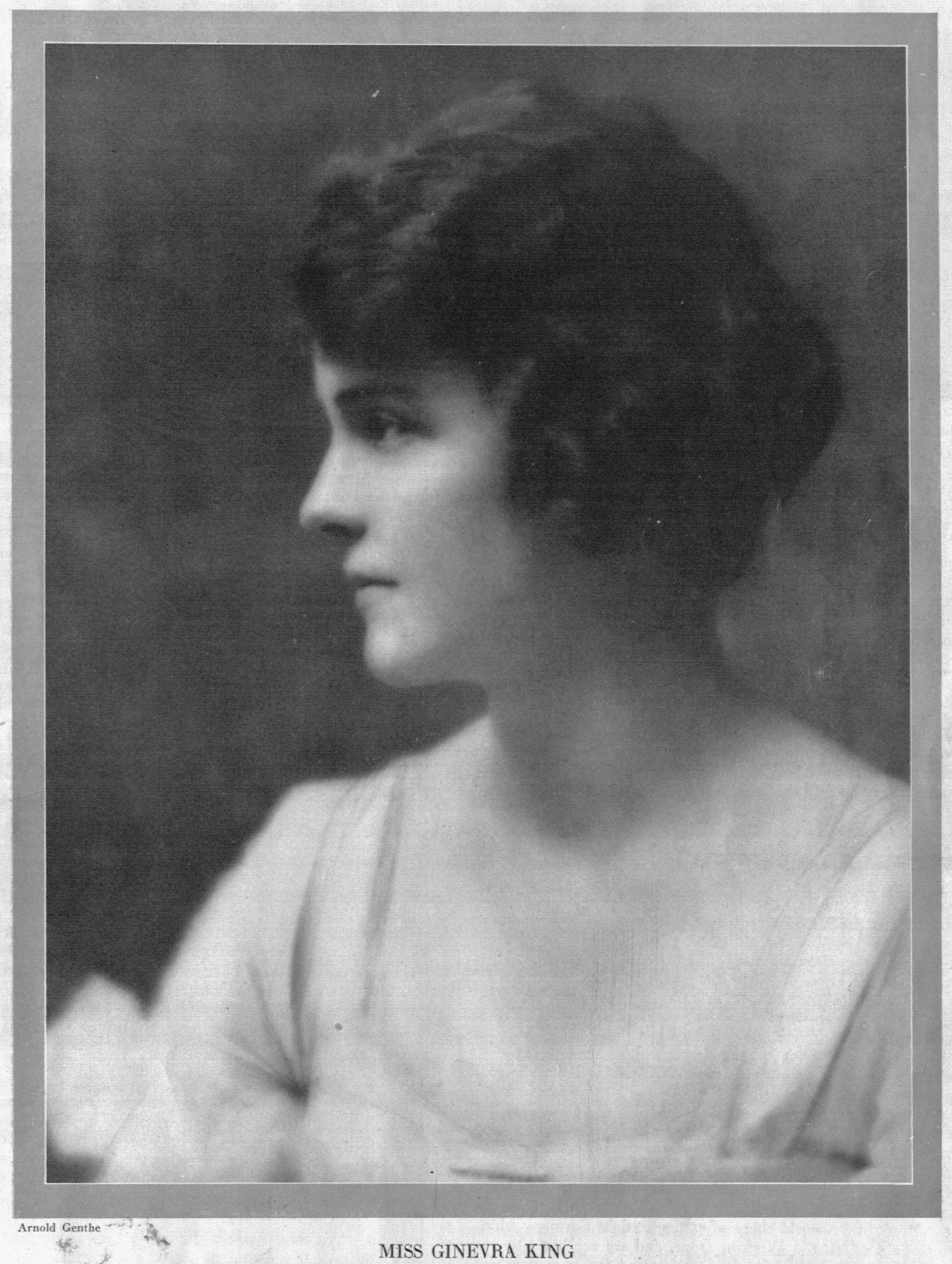
Miss Ginevra King on the cover of the Town & Country magazine (July 1, 1918). Photo by Arnold Genthe.
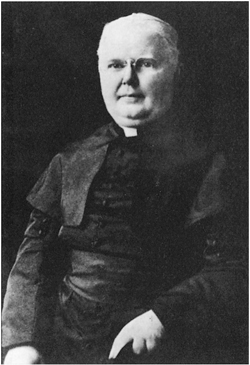
Father Cyril Sigourney Webster Fay, c. 1917: The huge, eunuch-like priest, almost a pure albino, had a shrill, high-pitched, giggling voice. (Princeton University Library)
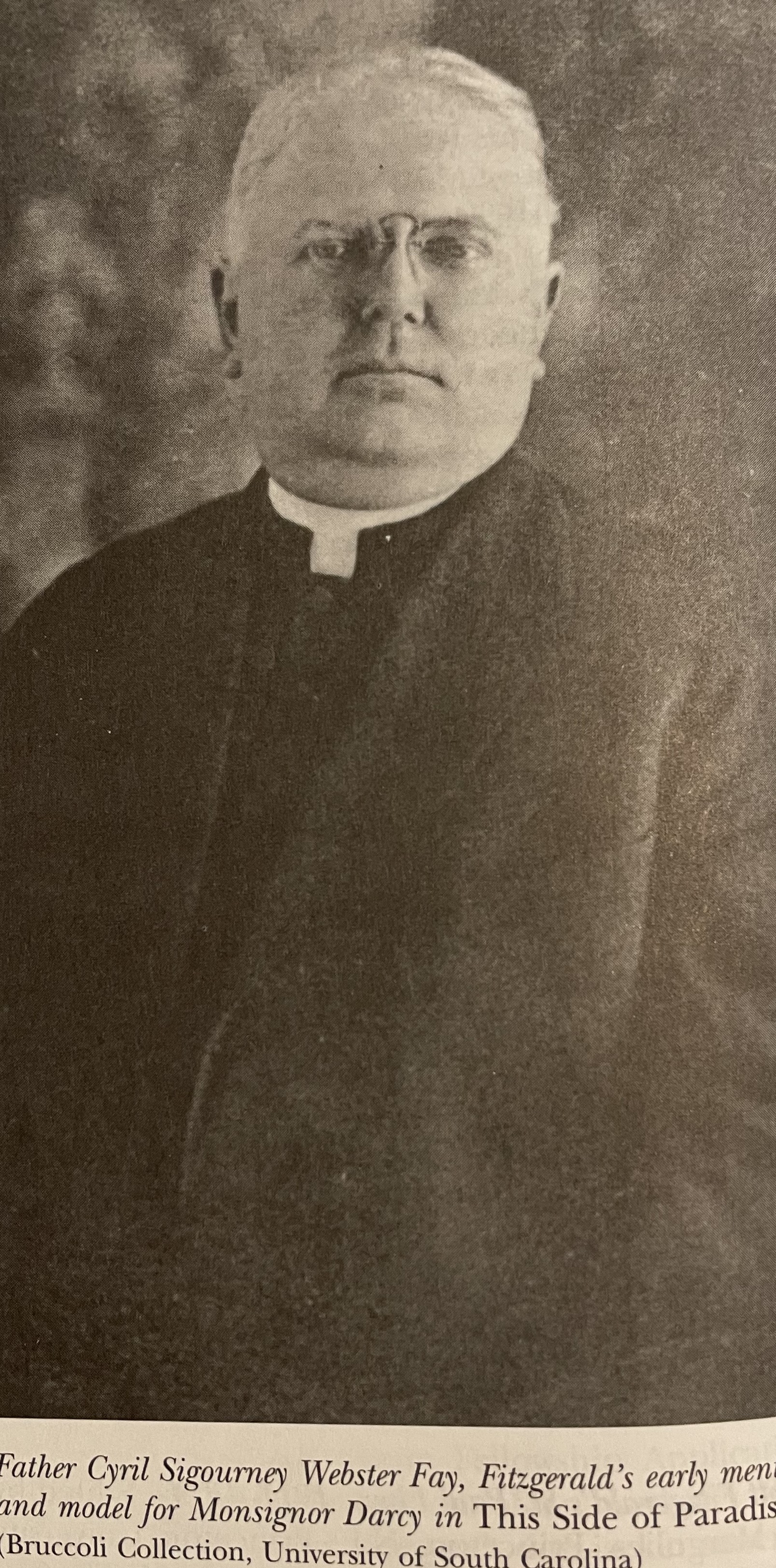
Monsignor Cyril Sigourney Webster Fay.
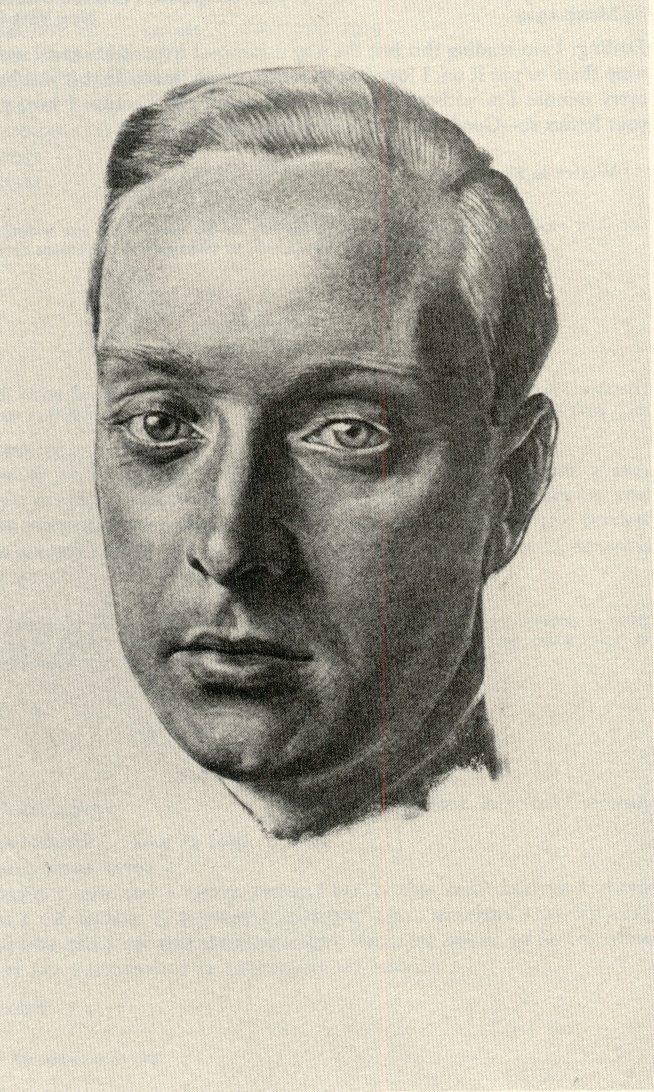
Stephan Parrot.
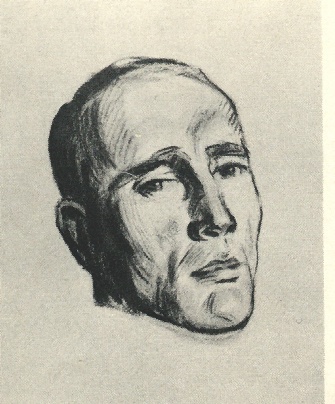
Shane Leslie.
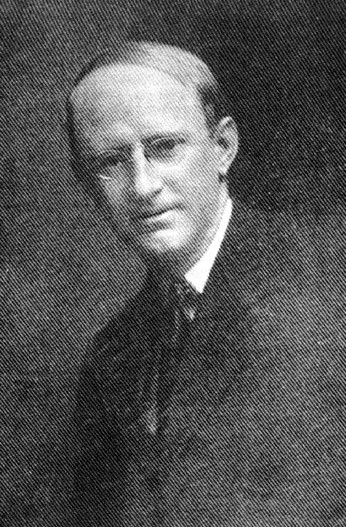
Christian Gauss, 1921.
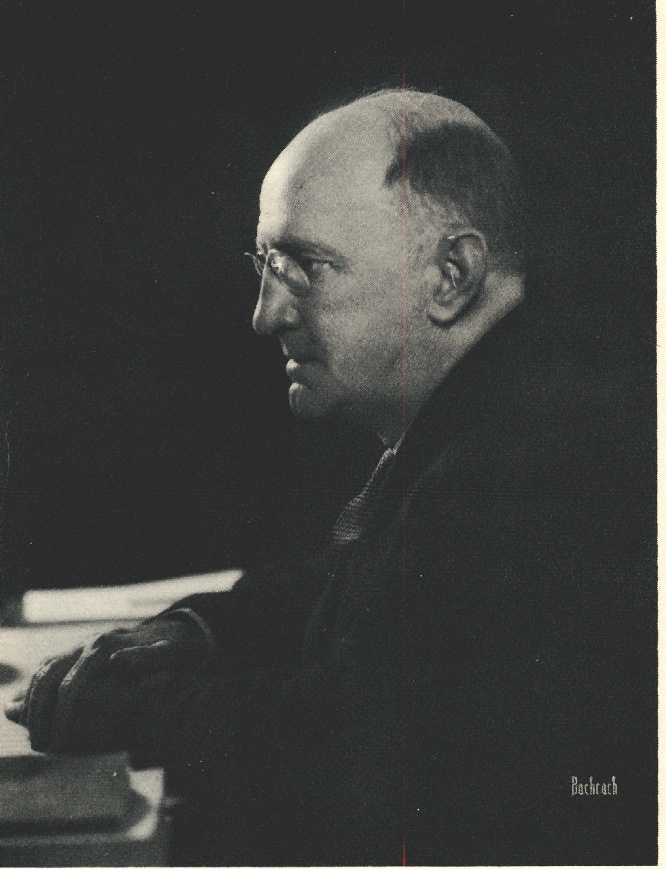
Christian Gauss, 1940.
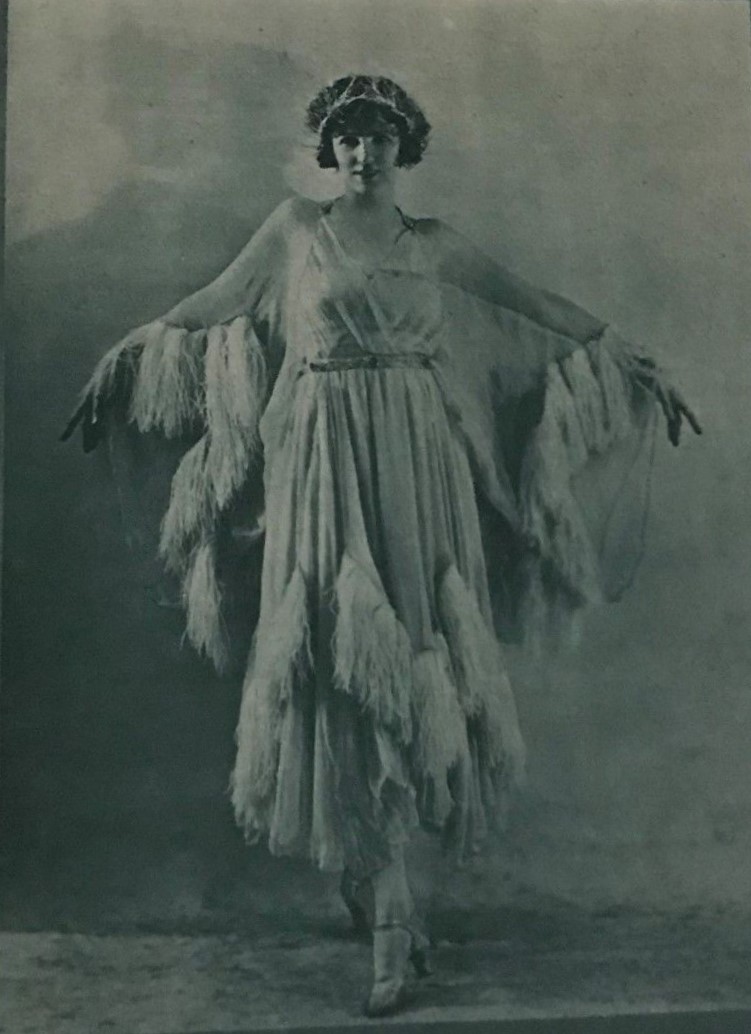
Irene Castle on the cover of the Metropolitan magazine (October, 1922). Fitzgerald did not met Castle, but her art was a great influence for Scott's early prose.
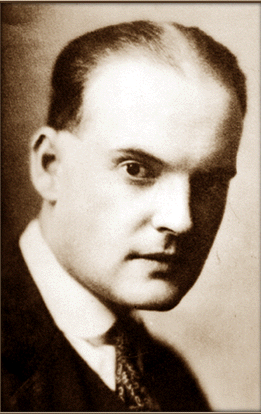
Edmund Wilson, 1930: The stocky, auburn-haired Wilson was intellectual and sternly rational, stiff and self-conscious.
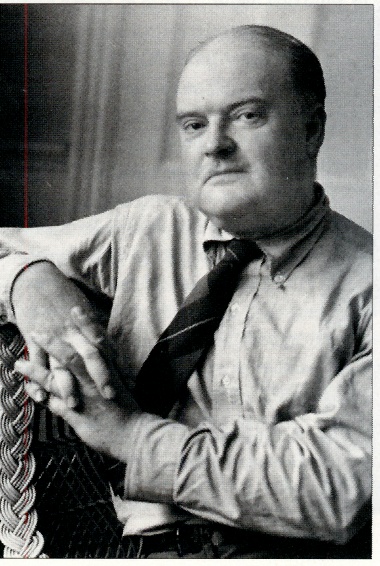
Edmund Wilson, matured.
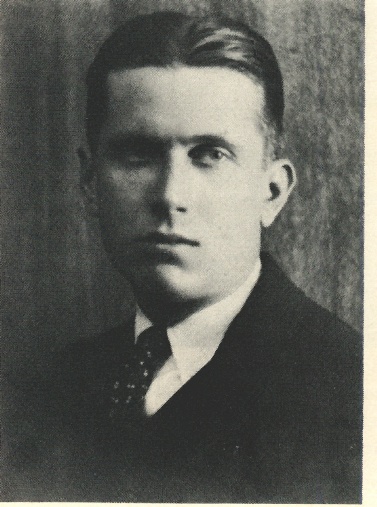
John Peale Bishop, c. 1922: His self-mastery “gave him the poise and bearing of a young English lord.” (Jonathan Bishop)
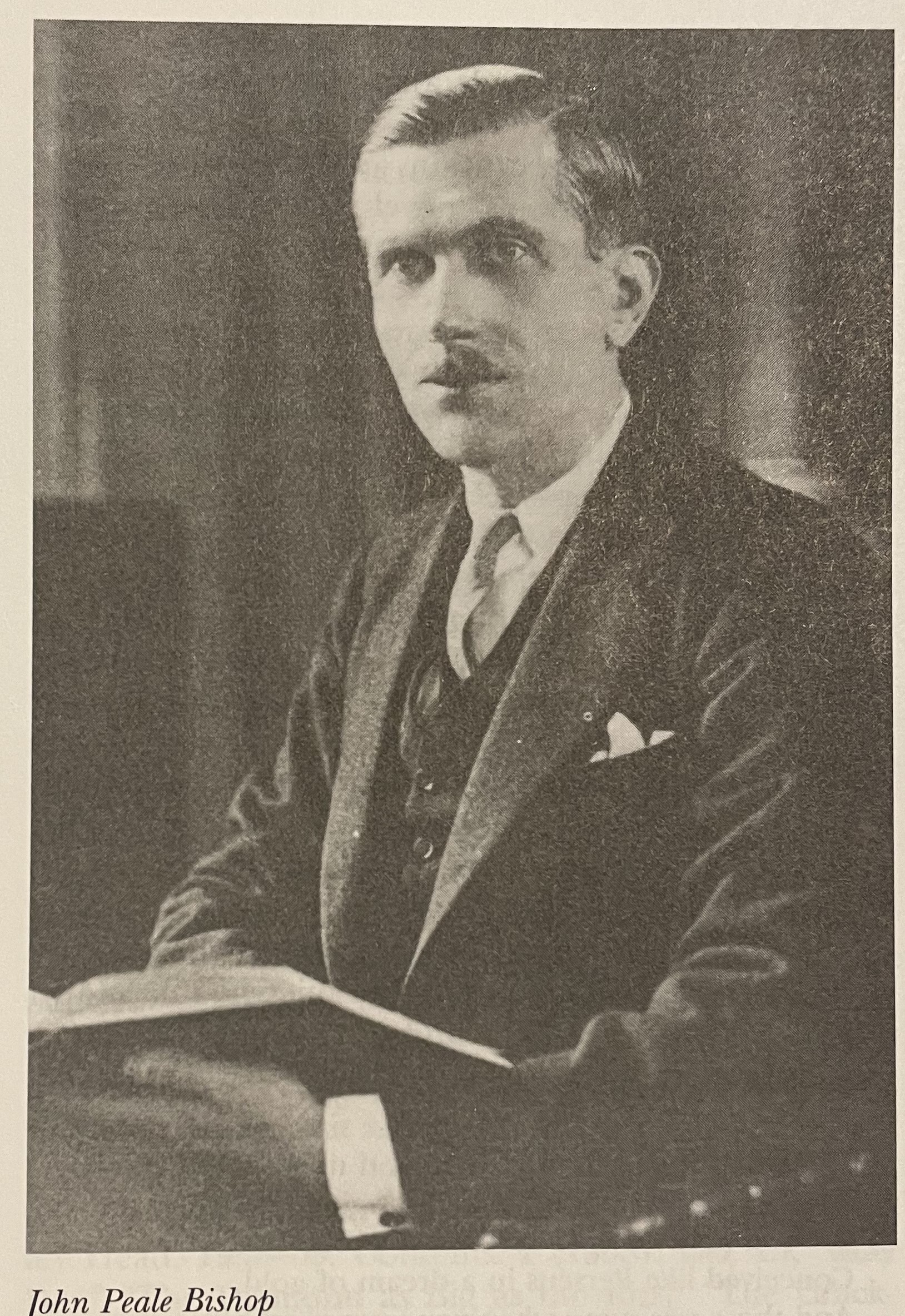
J. P. Bishop.
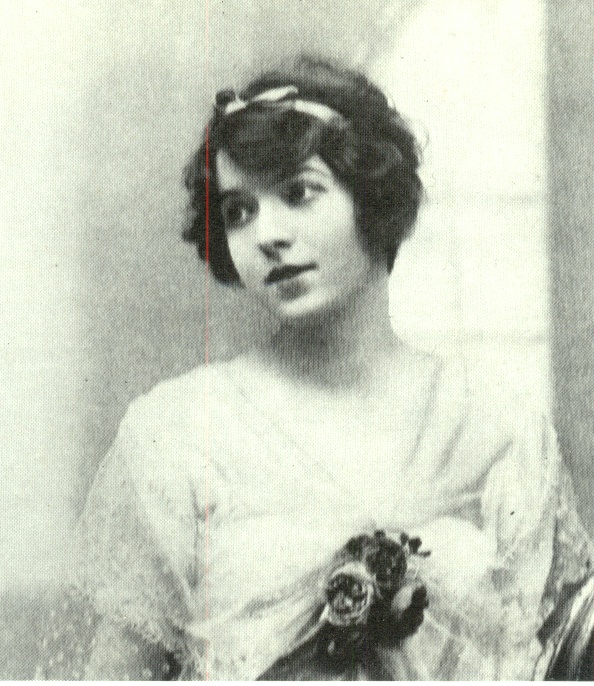
Ina Clair, "The Quaker Girl". Fitzgerald met her at the party in 1925.
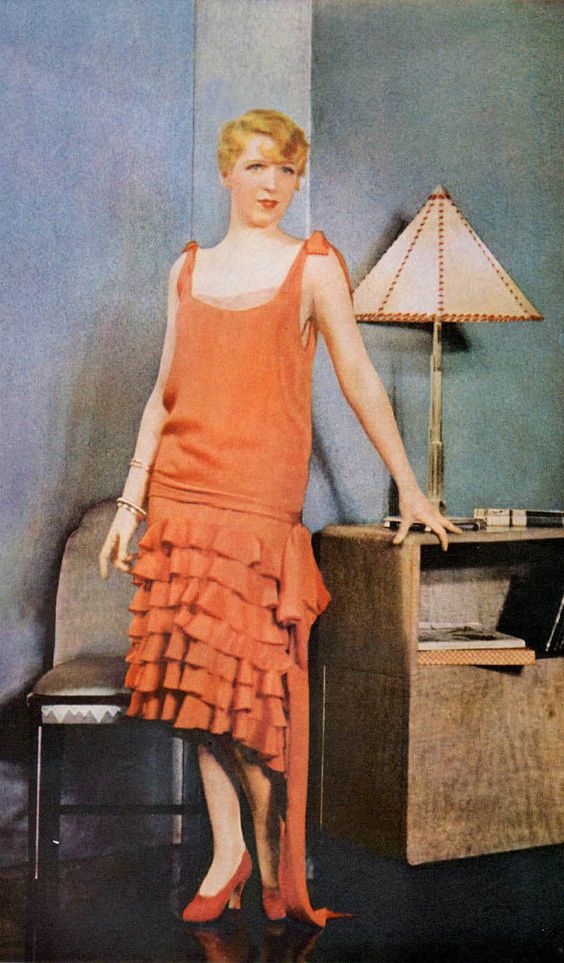
Ina Clair in 1928.
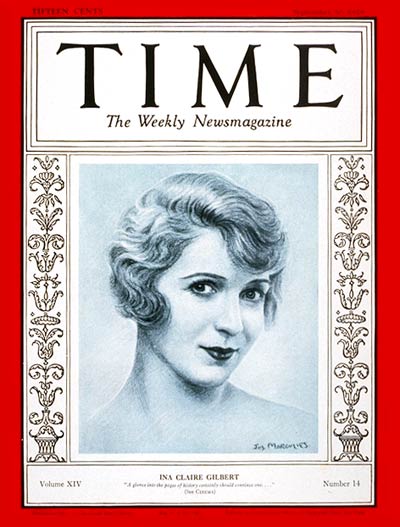
Ina Clair in 1929 "Time" magazine.
Early 1920's (America, Literary)
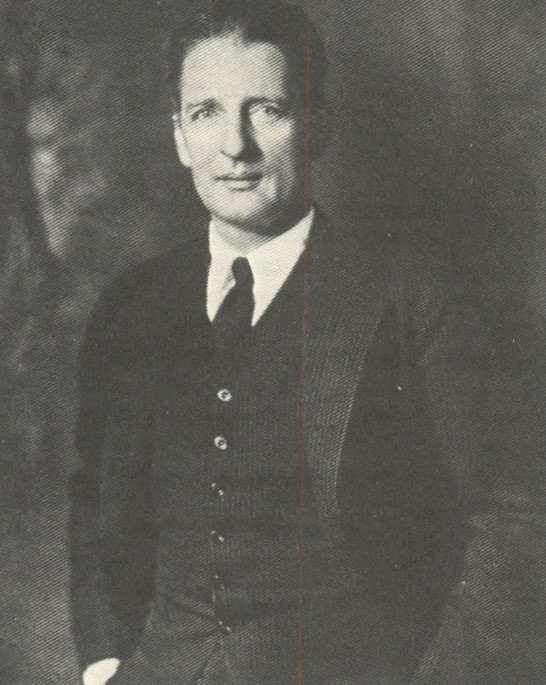
Maxwell E. Perkins, 1920s, Scott’s consistently generous publishing editor at Scribner’s: He had “a talent for diplomacy in difficult human situations, and a kind of nobility of spirit.” (John F. Kennedy Library).
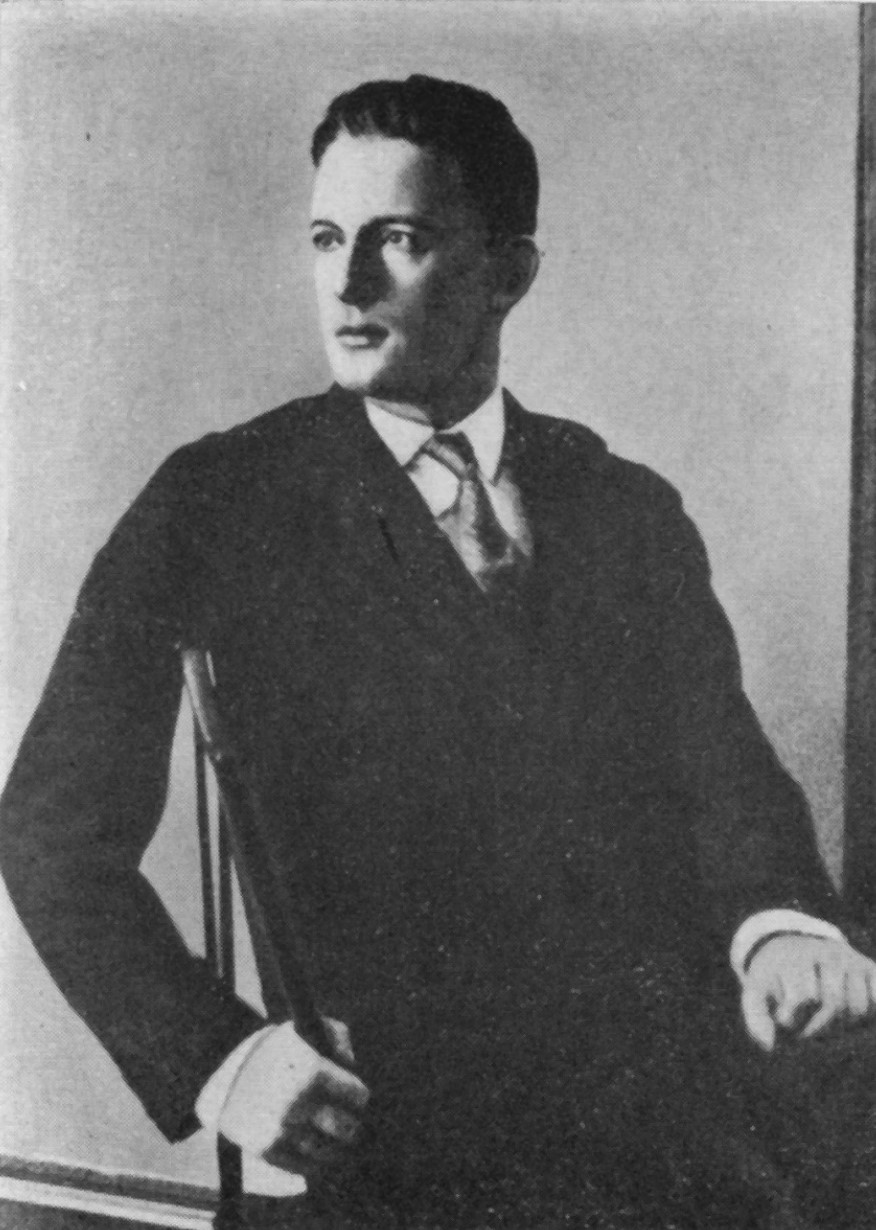
Max Perkins.
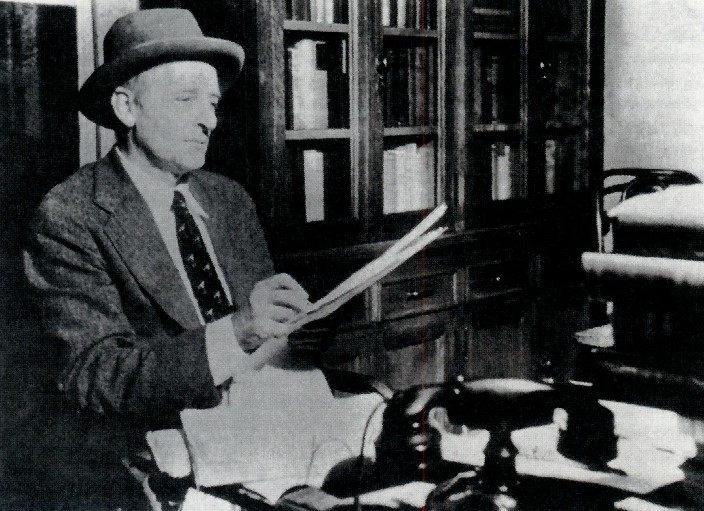
Max Perkins.
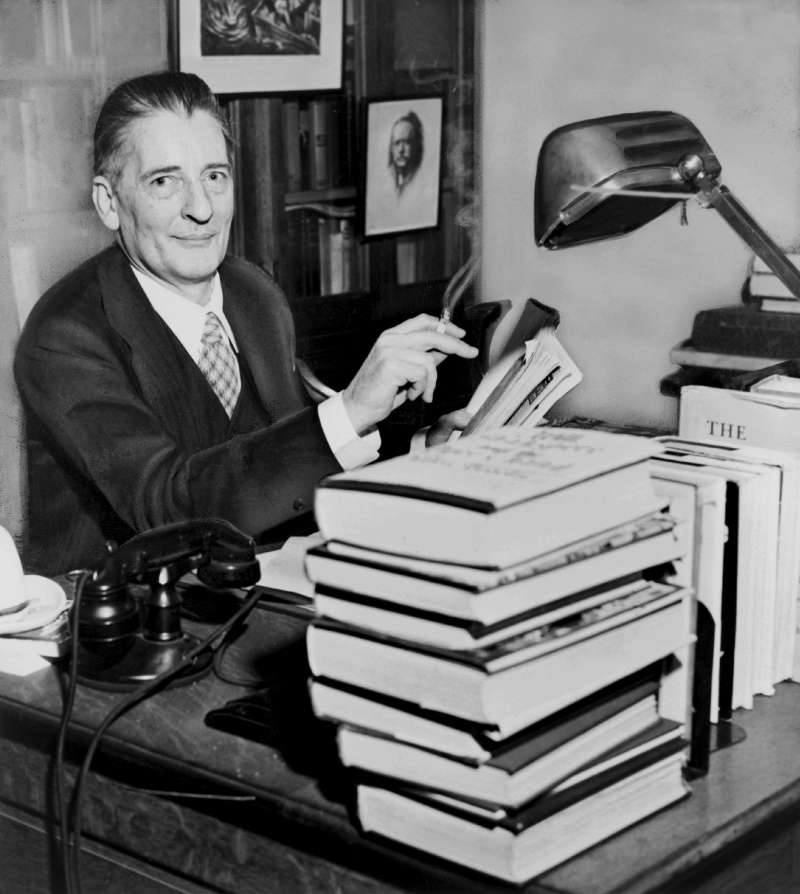
Max Perkins.
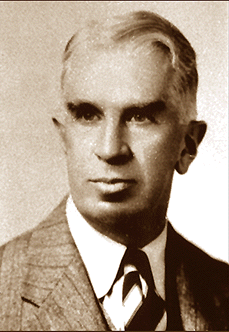
Harold Ober, c. 1930: “He was tall and lean, with deep-set, serious blue eyes, a big nose, a high color.” (Harold Ober Associates)
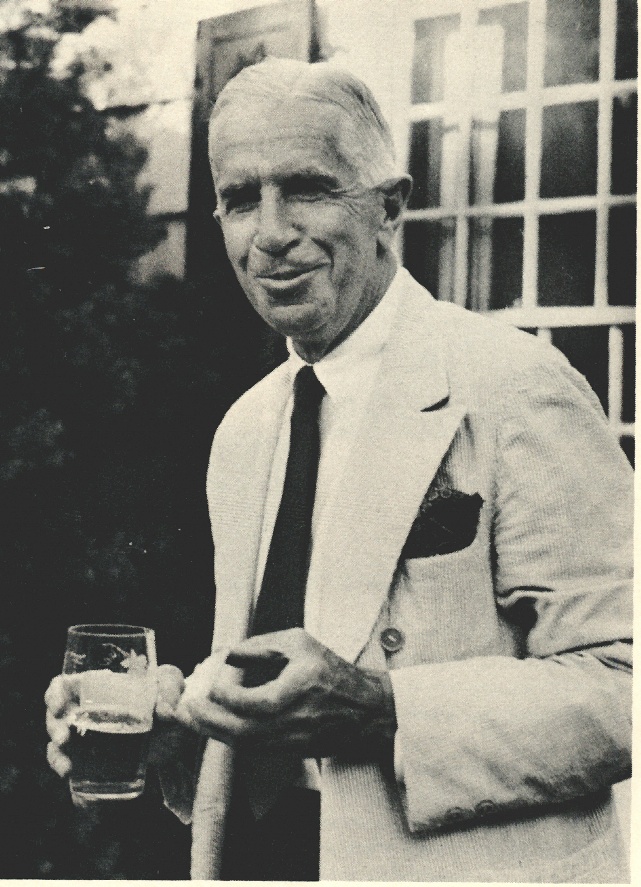
Harold Ober
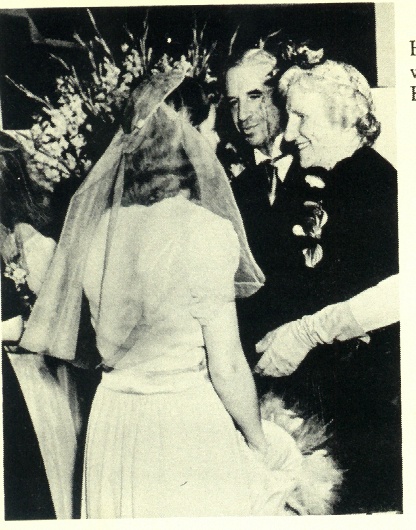
Harold Ober in 1943, at Scottie's wedding
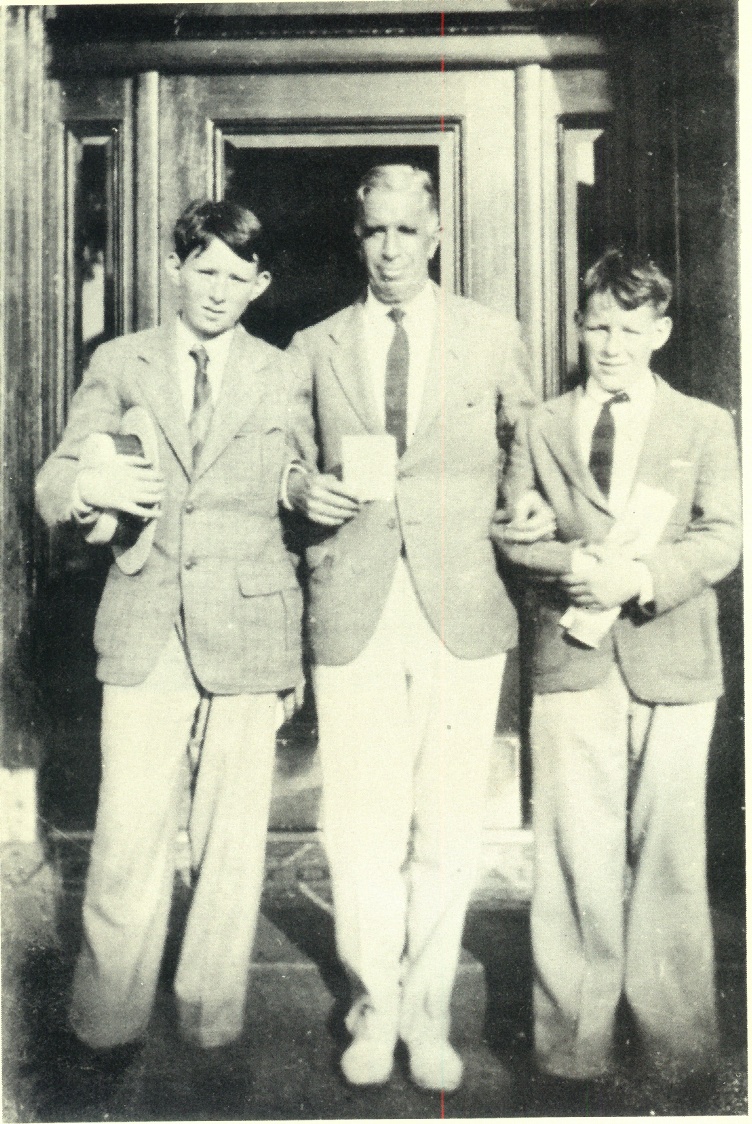
Harold Ober with sons.
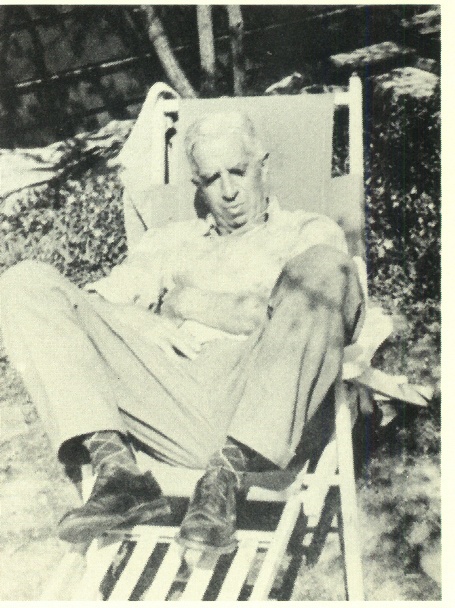
Harold Ober at the garden.
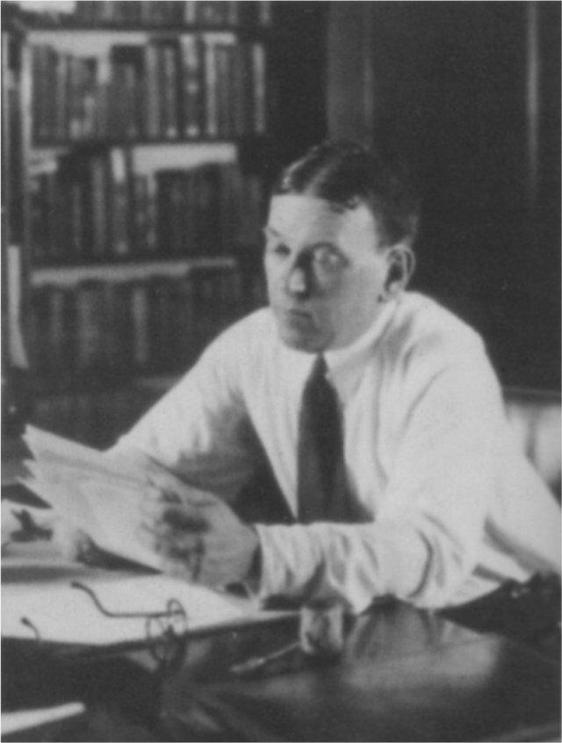
Critic H. L. Mencken, Scott’s literary mentor. Mencken encouraged and published Haardt’s fiction then after a long courtship married her in 1930, the year Zelda had her first breakdown
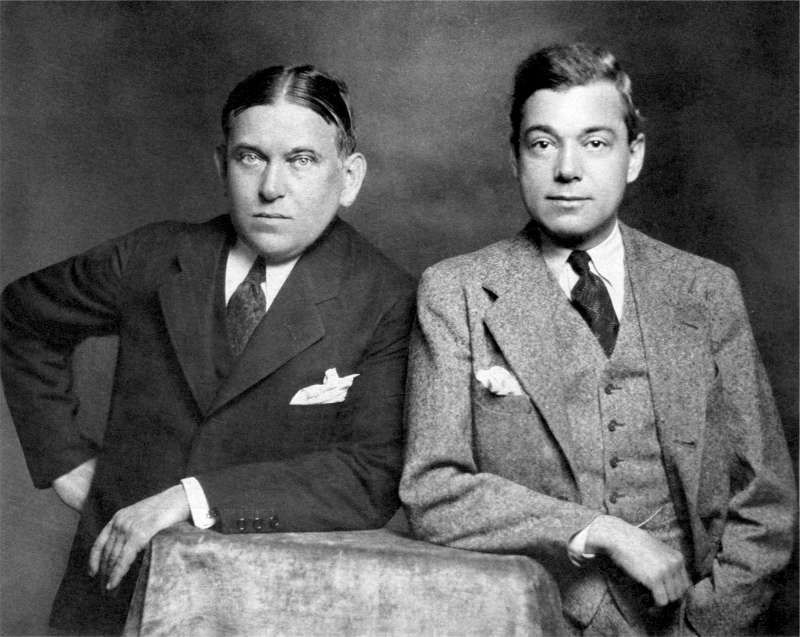
Critics H. L. Mencken and George Jean Nathan
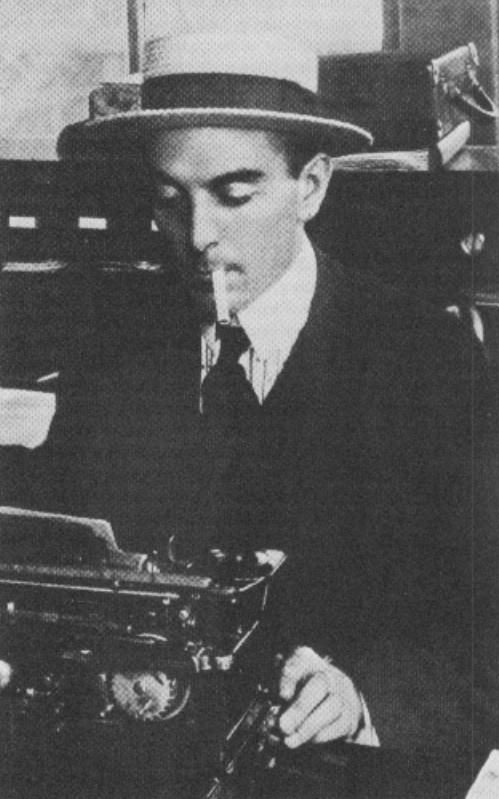
Ring Lardner, Chicago, c. 1910: “A tall sallow mournful man with a higharched nose . . . dark hollow eyes and hollow cheeks.” (Ring Lardner, Jr.)
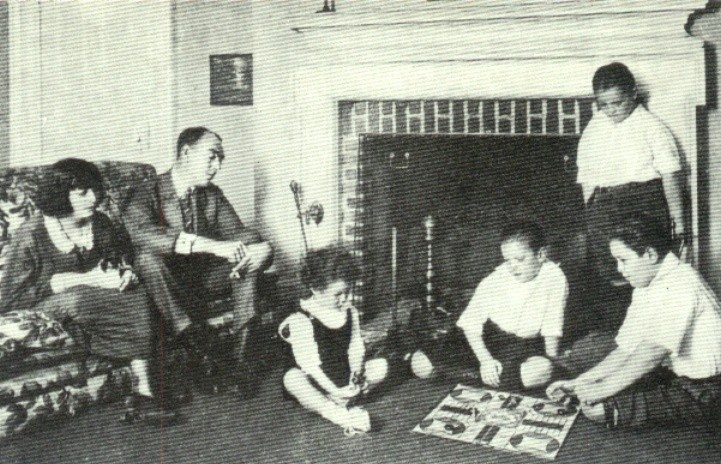
Lardners' Family, 1923
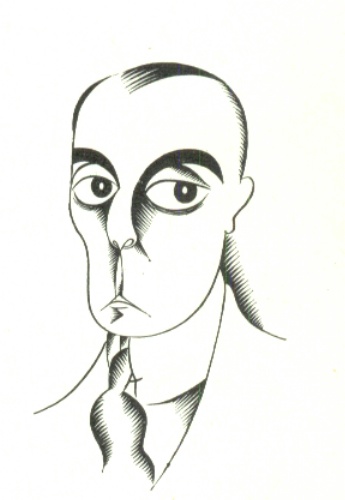
Ring Lardner, by Covar Rubias.
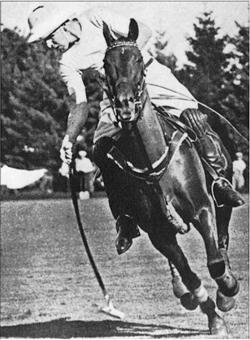
Tommy Hitchcock, c. 1933: “He was tall and his body was hard but overspare save for the bunched force gathered in his shoulders and upper arms.” (Mrs. Thomas Hitchcock)
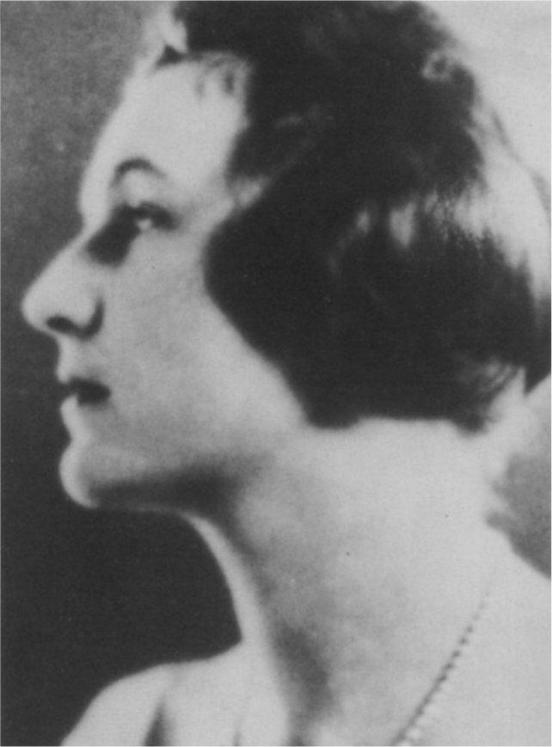
Xandra Kalman, c. 1921: Zelda’s closest, most supportive friend during her young motherhood days in St Paul
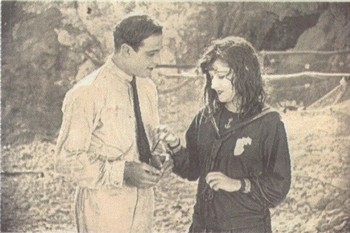
Gloria Swanson and Rudolph Valentino in "Beyound the Rocks". Fitzgerald met Swanson in 1923 during parties in Great Neck.
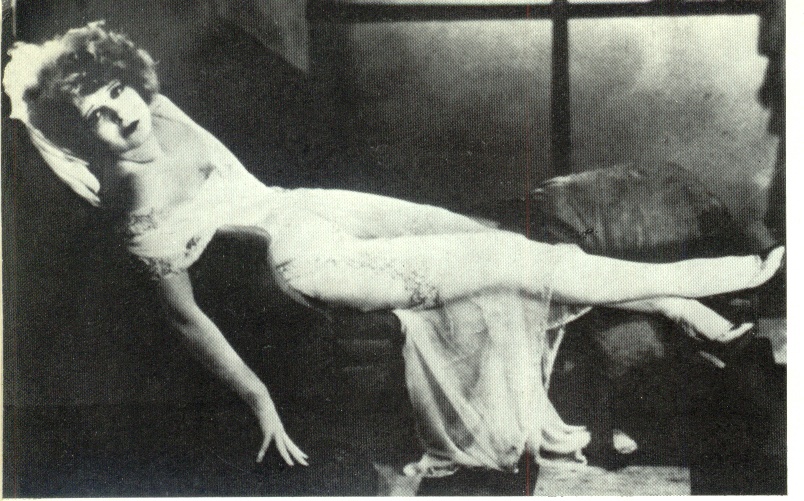
Clara Bow, the "It" girl, in 1923. She played in the "Grit" movie.
Ernest Hemingway (After 1924)
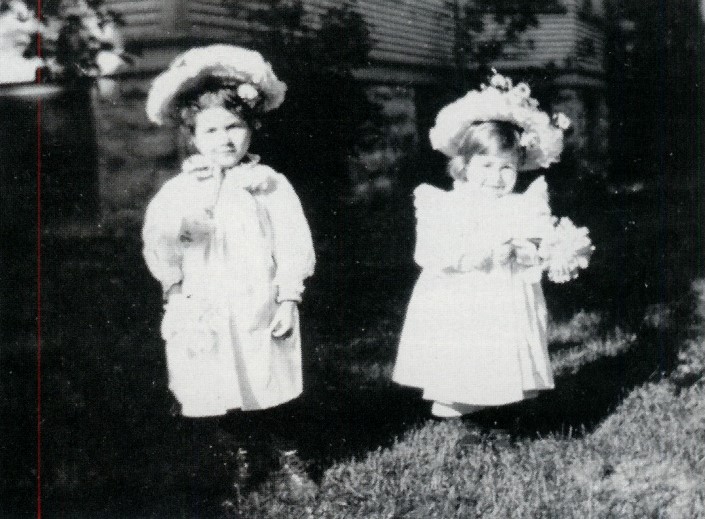
That's Ernest on the right(!) with taller "twinned" sister Marcelline, June 1901. Mother Grace captioned it "two summer girls with their peonies". (Hemingway collection at the John F. Kennedy Library)
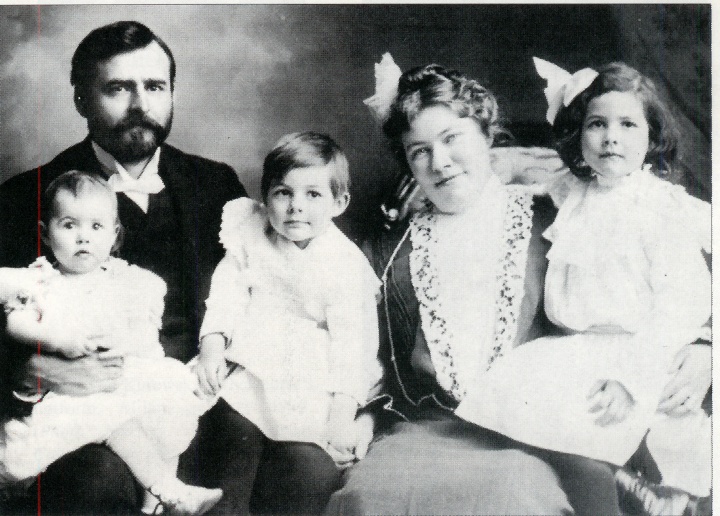
The Hemingways in idealized family portrait, 1903: Ursula, Ernest and Marcelline with their parents. (Hemingway collection at the John F. Kennedy Library)
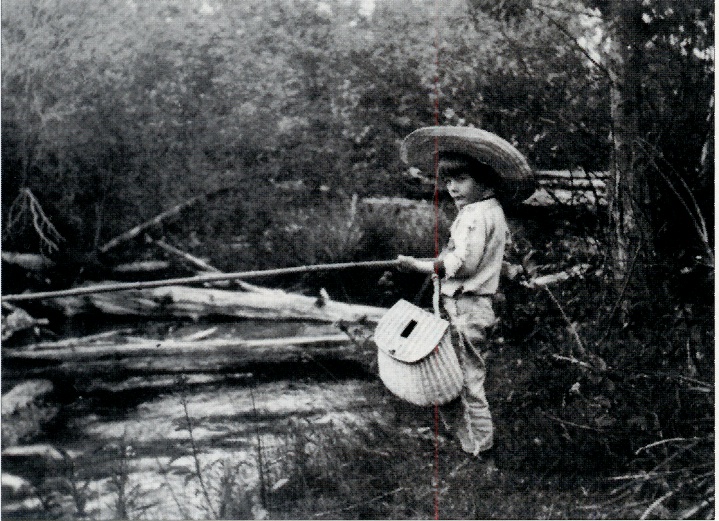
Ernest Hemingway fishing in America, c. 1906
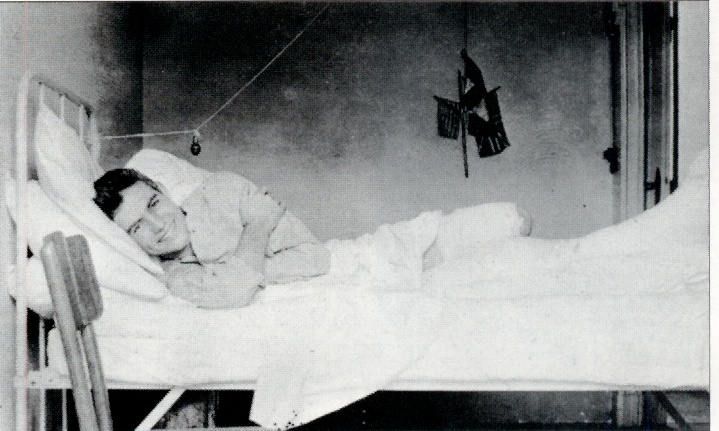
Hemingway in hospital, 1918.
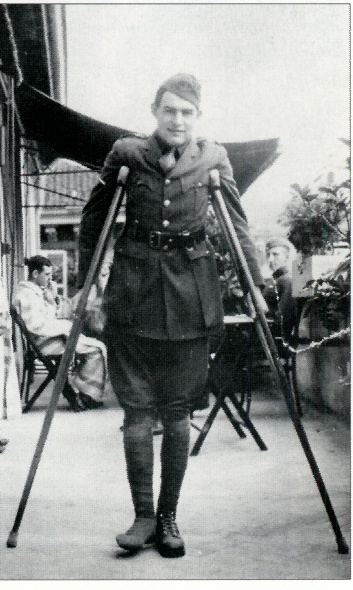
Hemingway after the hospital, 1918.
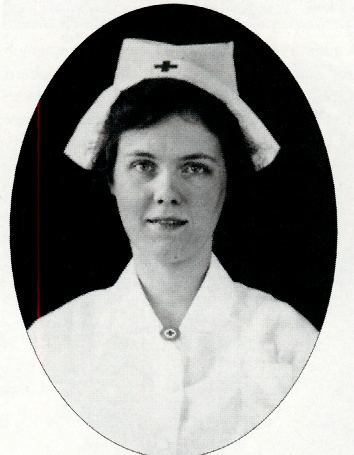
Agnes von Kurowsky
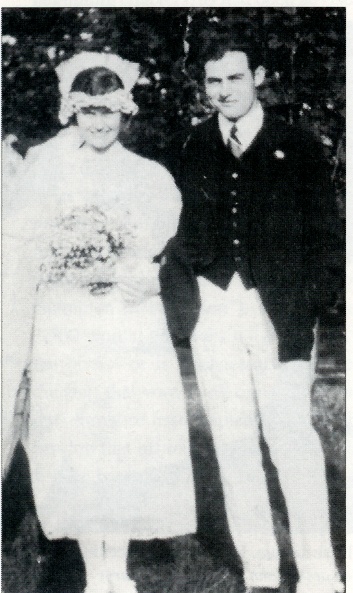
Ernest and Hadley, married in 1921.
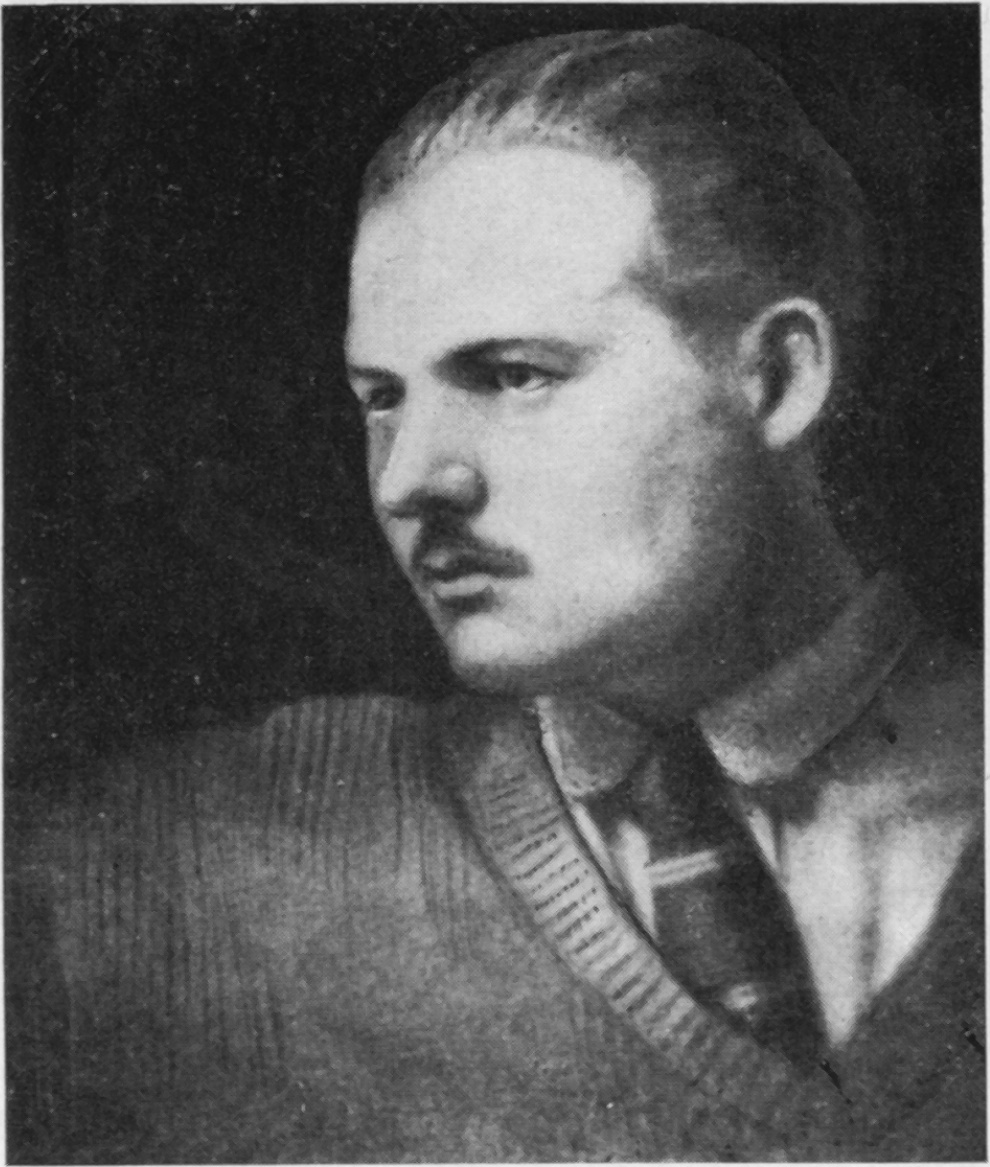
Hemingway in 1925.
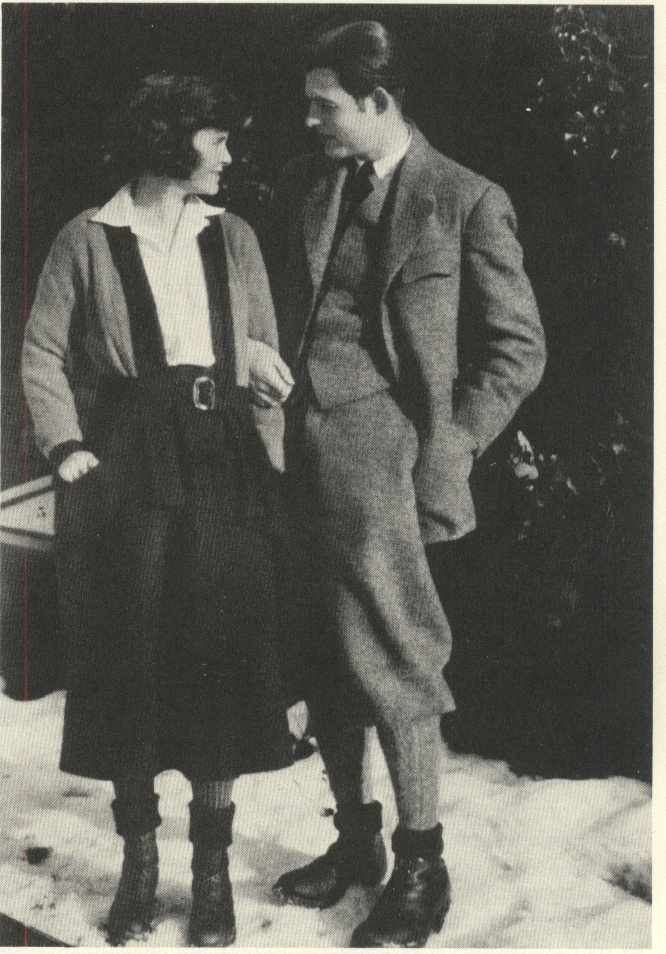
Ernest and Hadley in Shruns, c. 1925.
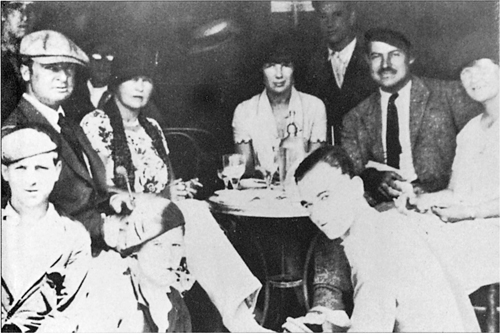
Pamplona, July 1925: Hemingway was balanced uneasily between his chic future wife Pauline Pfeiffer (center) and his matronly current wife Hadley (right), while Gerald and Sara Murphy, attended by three Spanish shoeshine boys, drank with them. (John F. Kennedy Library)
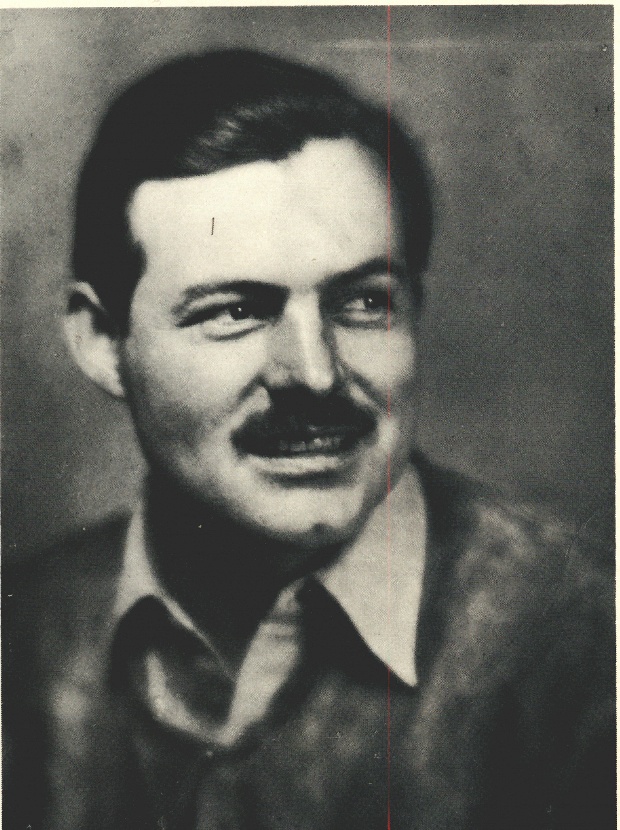
Hemingway in 1927.
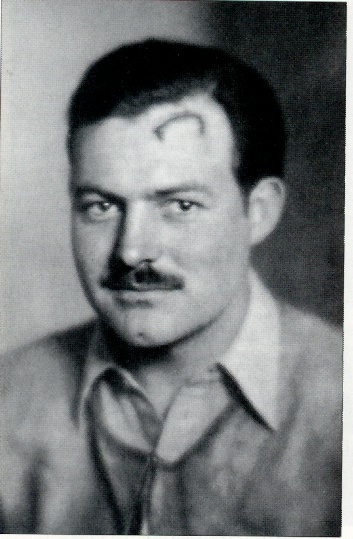
Hemingway in 1928 with scar.
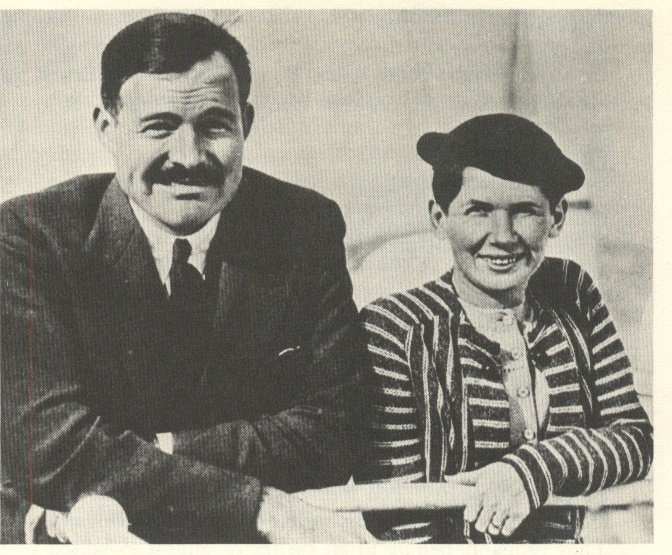
Ernest and Pauline, his second wife, c. 1930
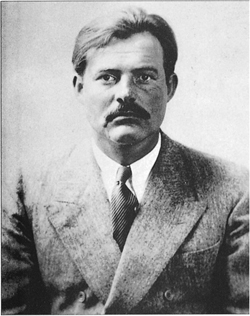
Hemingway, Princeton, October 1931 (Bruccoli Collection): A Herculean Hemingway, smartly dressed in a double-breasted wool suit, glowered at the camera for an unusually good snapshot. (John F. Kennedy Library)
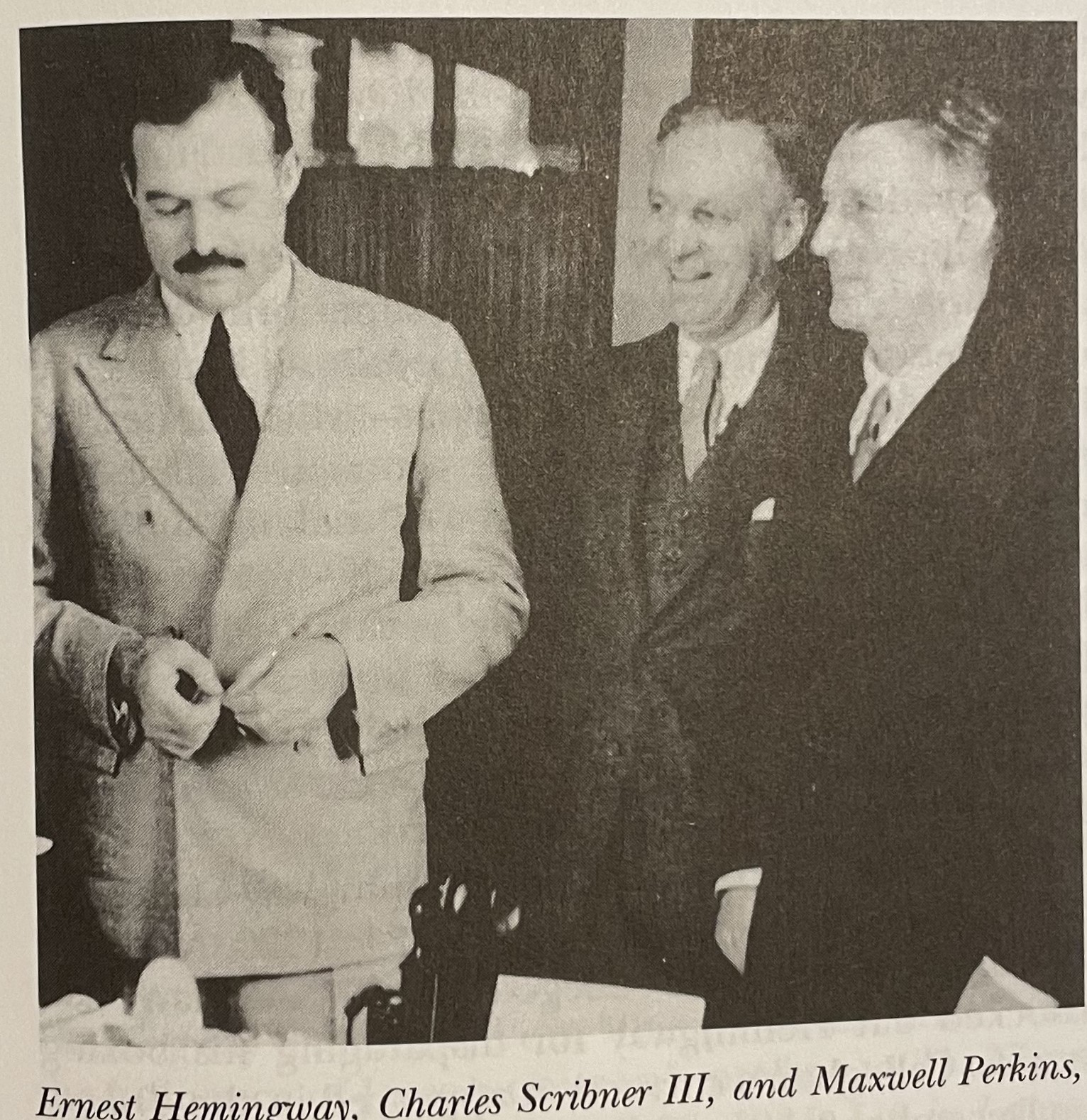
Hemingway and Max Perkins at Scribner's office, 1932.
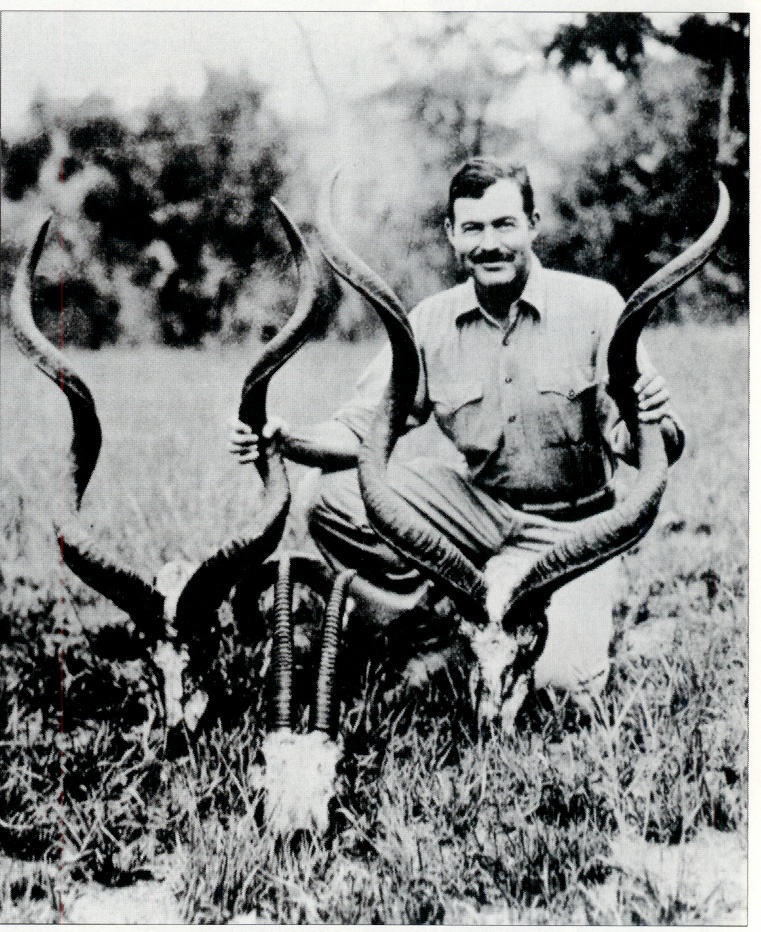
Hemingway in Africa, 1933.
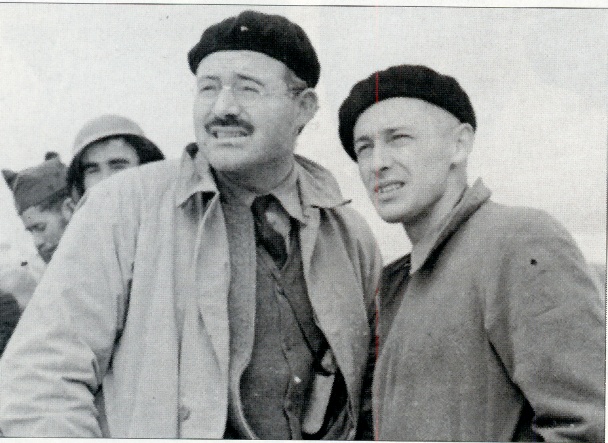
Hemingway in Spain, 1937.
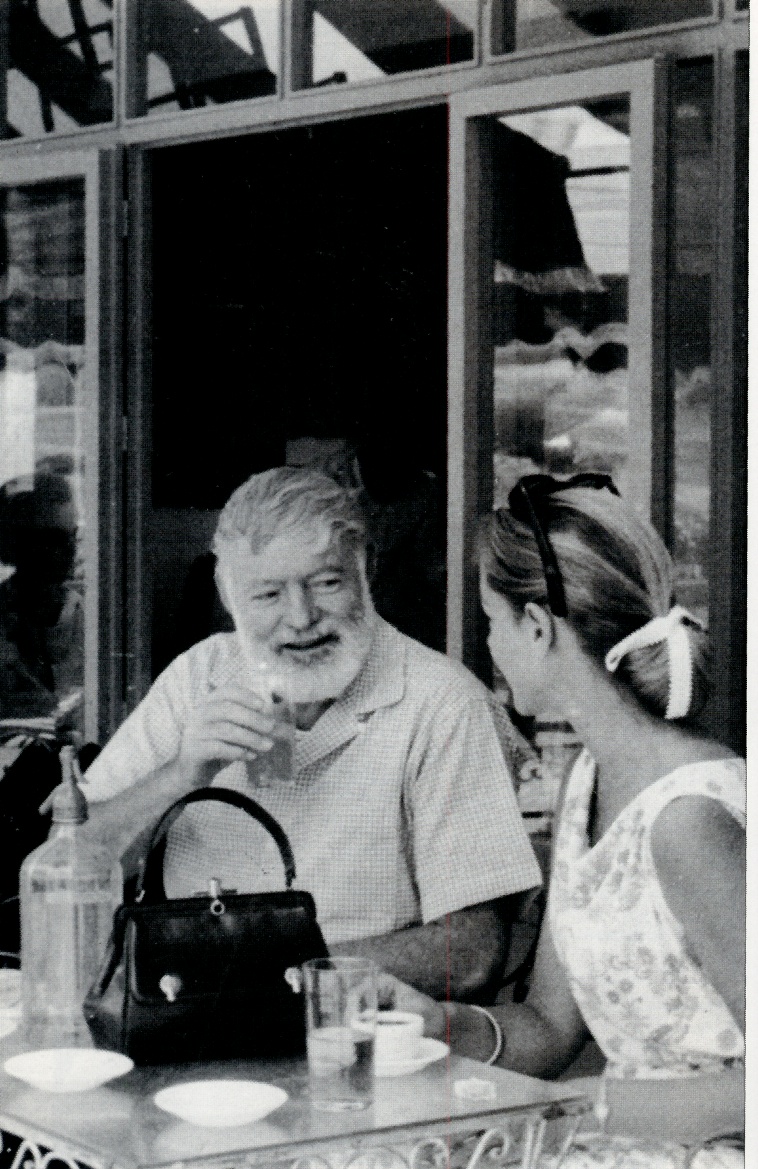
Hemingway in 1950's.
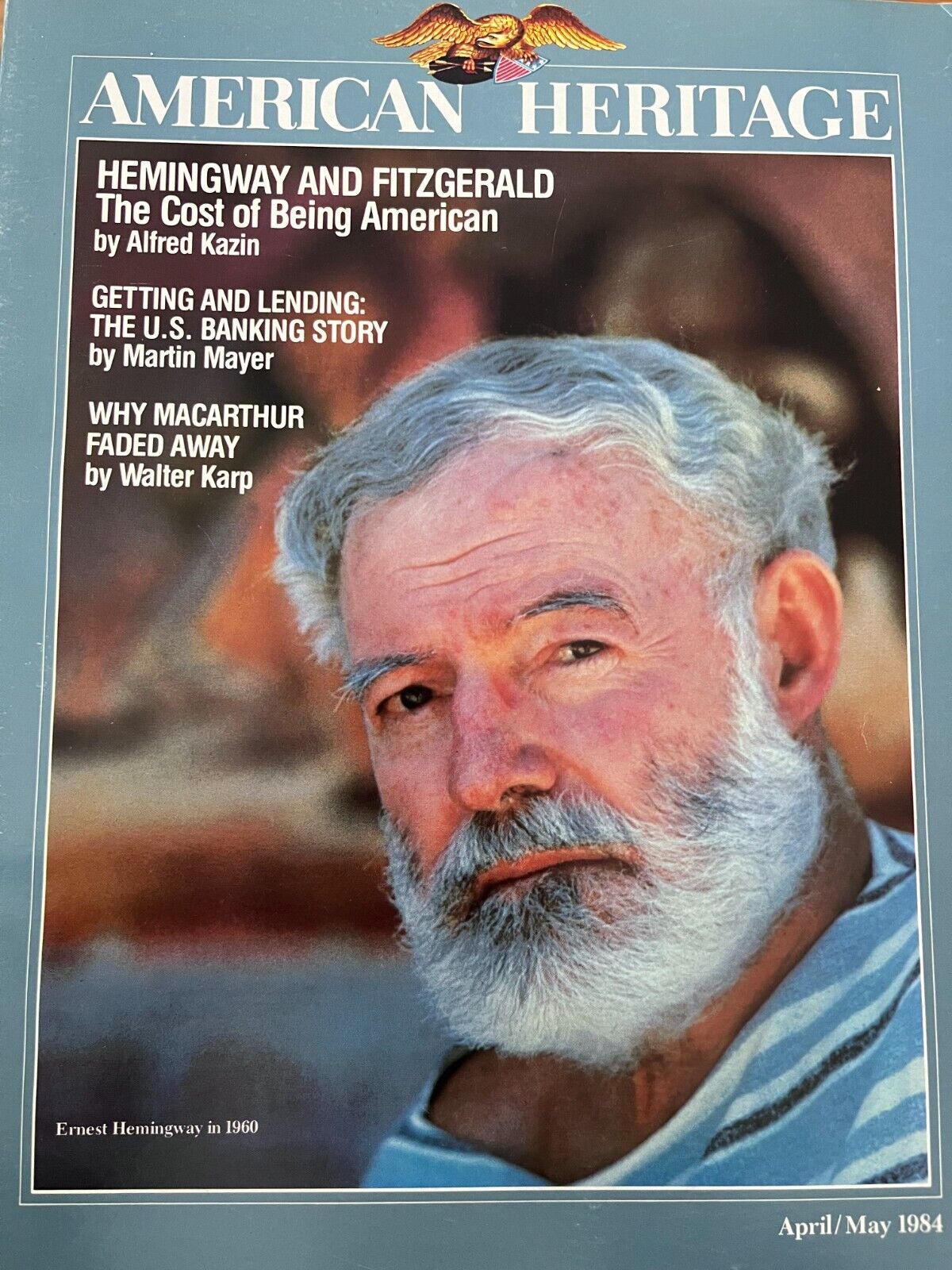
Hemingway in 1960.
European Friends (from 1925 to 1929
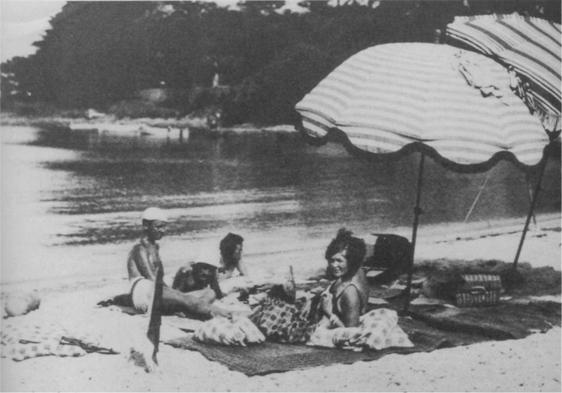
The beach at La Garoupe raked by Gerald Murphy, seen here under umbrellas with his wife Sara and Etienne and Edith de Beaumont, c. 1924. Zelda and Scott visited regularly from their villa at Juan-les-Pins
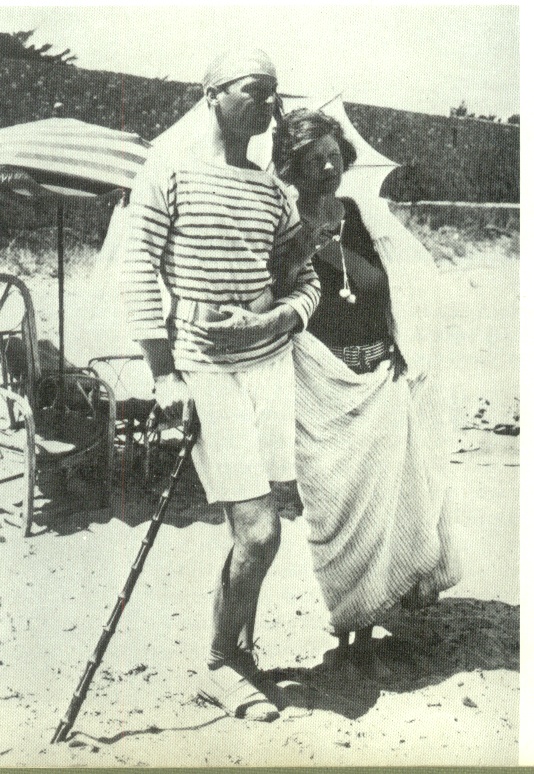
Murphys at Antibes.
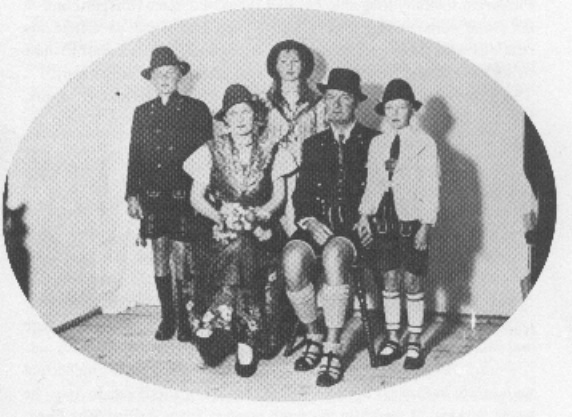
Sara and Geald Murphy with their children.
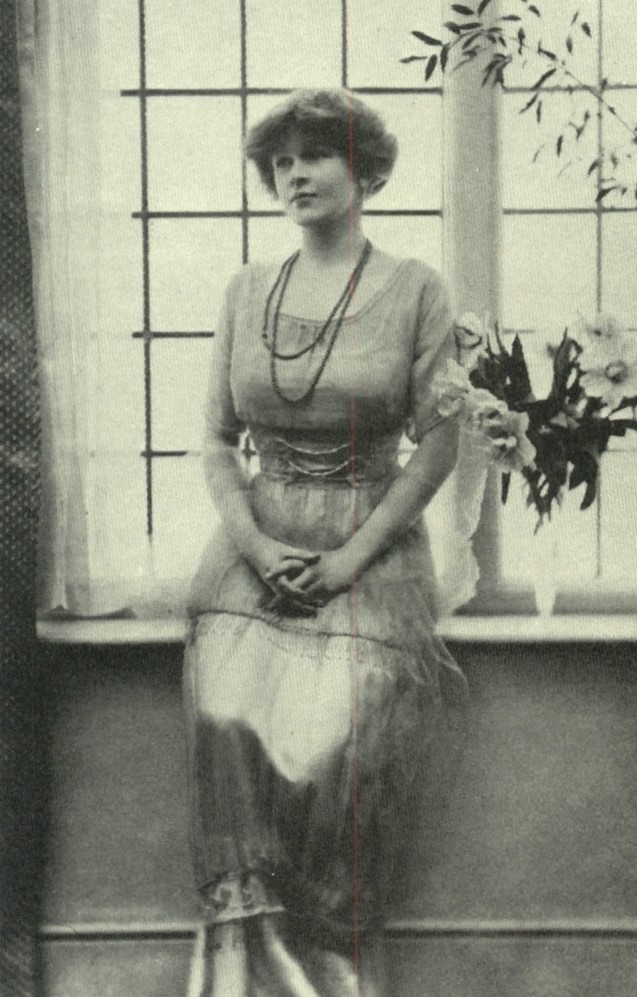
Sara Murphy, age 19
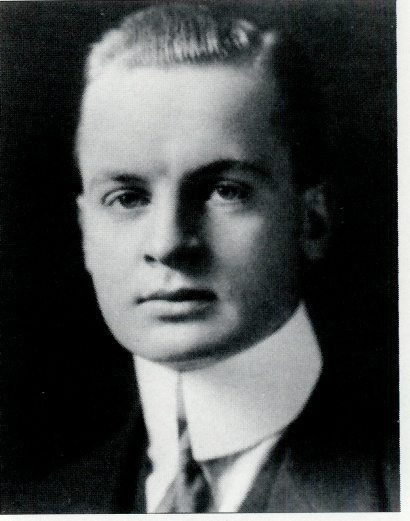
Gerald Murphy at Yale.
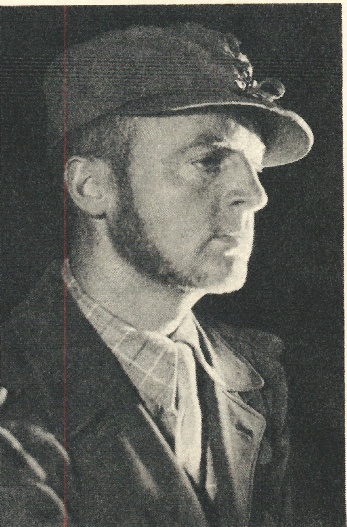
Gerald Murphy.
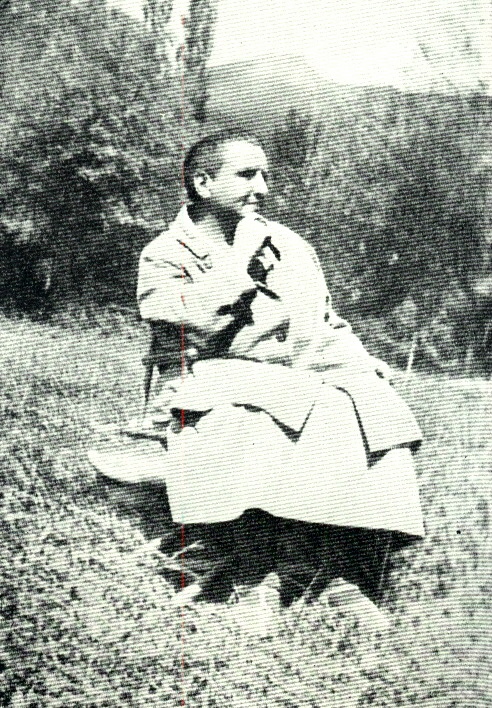
Gertrude Stein
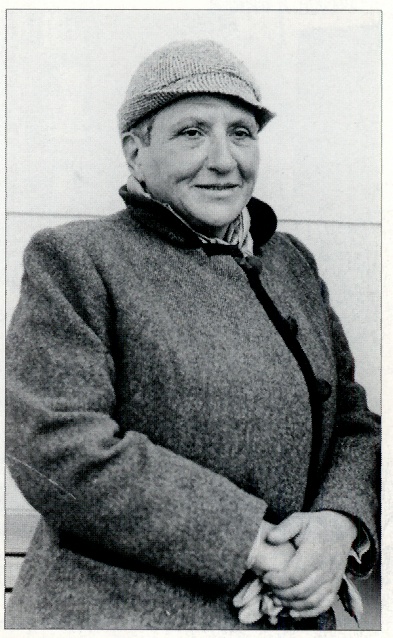
Gertrude Stein
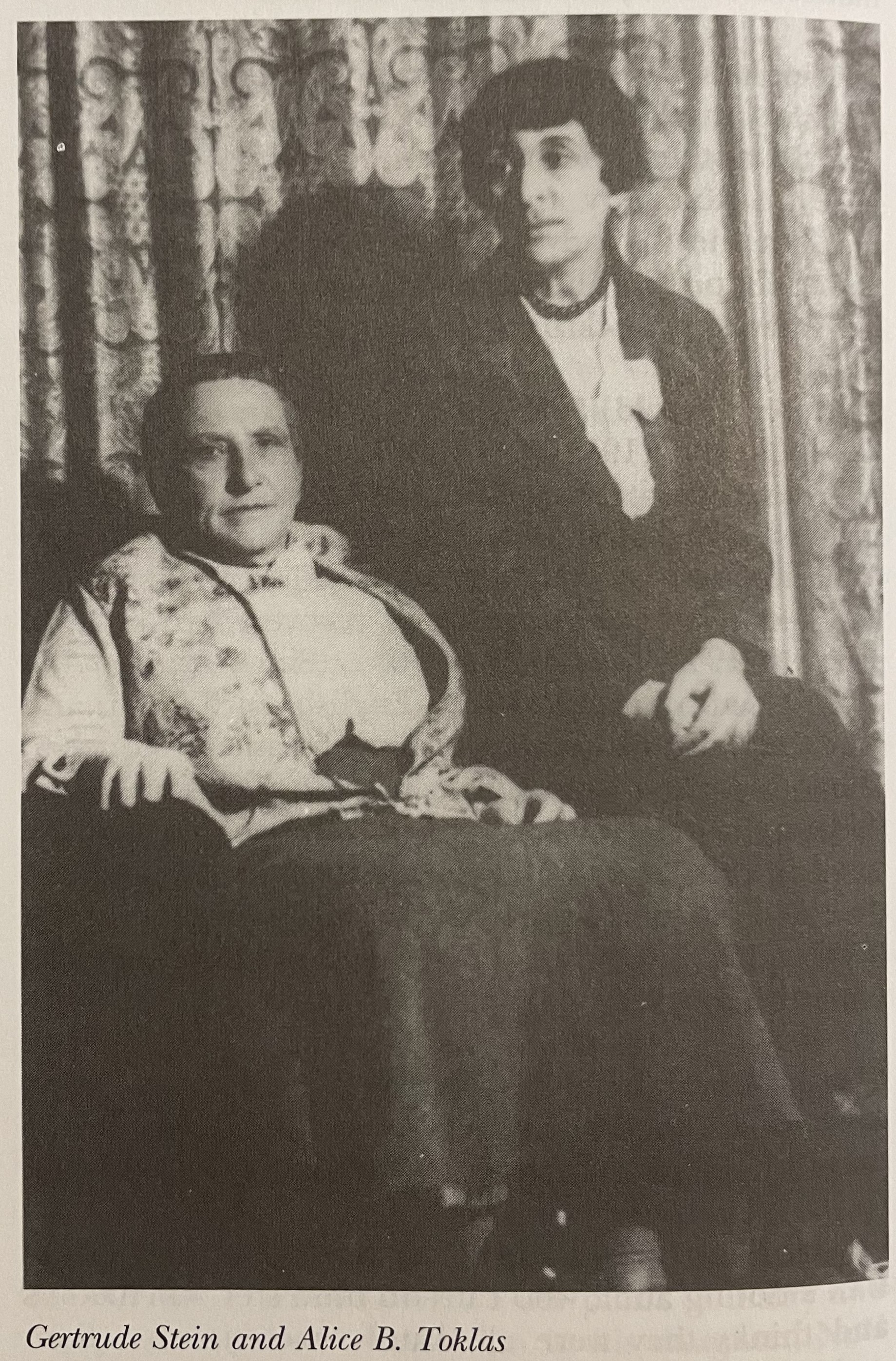
Gertrude Stein and Alice B. Toklas.
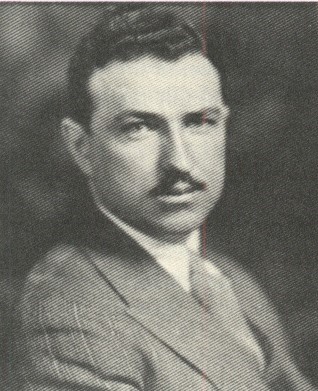
Morley Callaghan in 1925
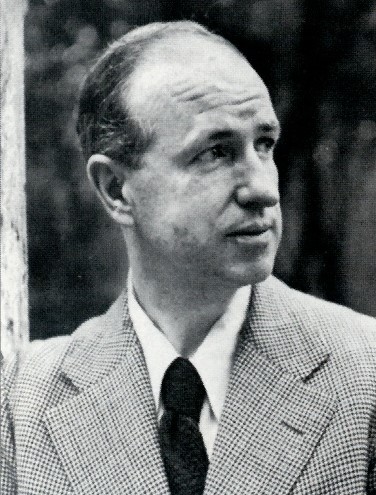
Morley Callaghan in summer of 1929
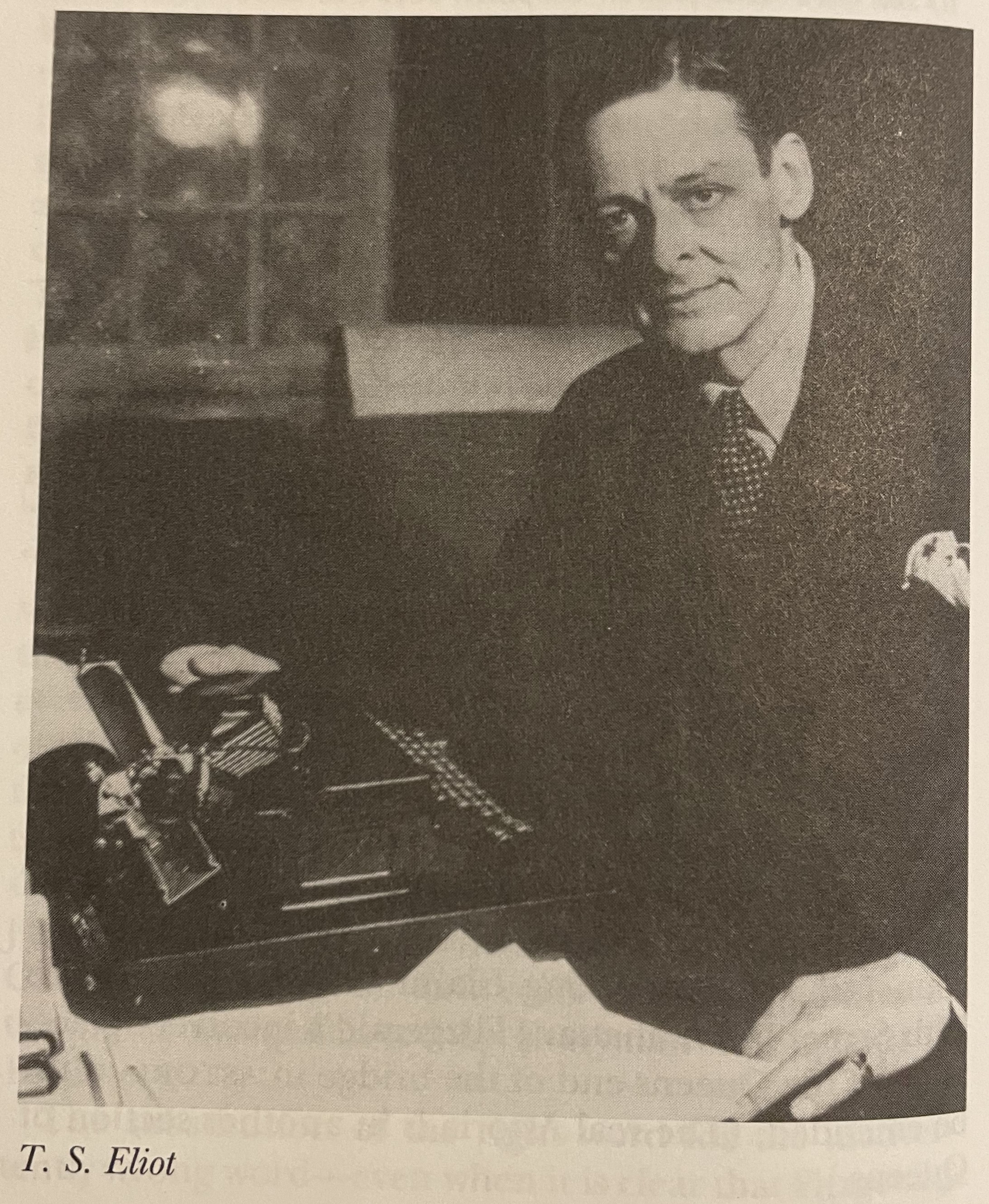
T. S. Eliot.
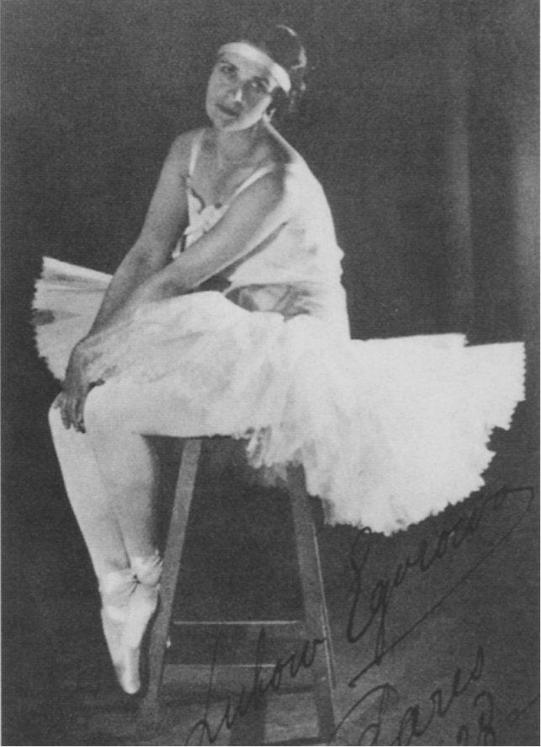
Lubov Egorova, Zelda’s beloved ballet teacher, autographed Paris 1928
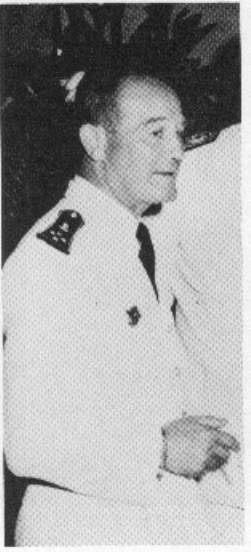
Admiral Edouard Josan in 1957. A French aviator who fell in love with Zelda in 1925. (International Herald Tribune).
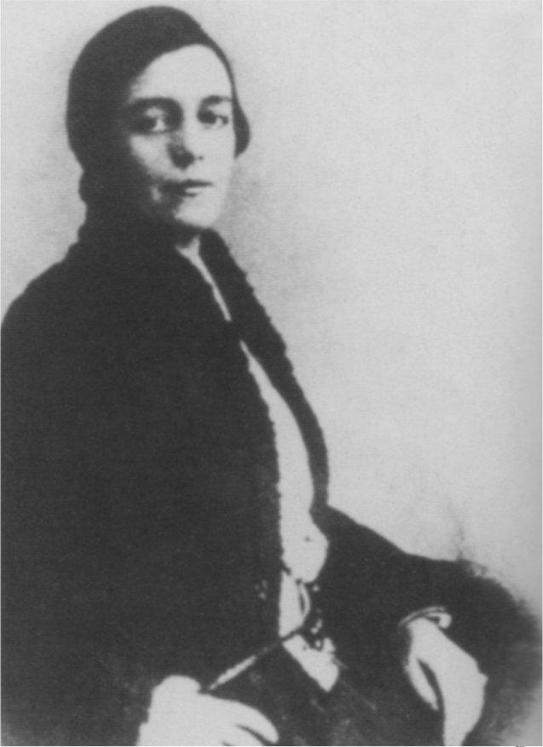
Painter Romaine Brooks whom Zelda met on Capri, 1925
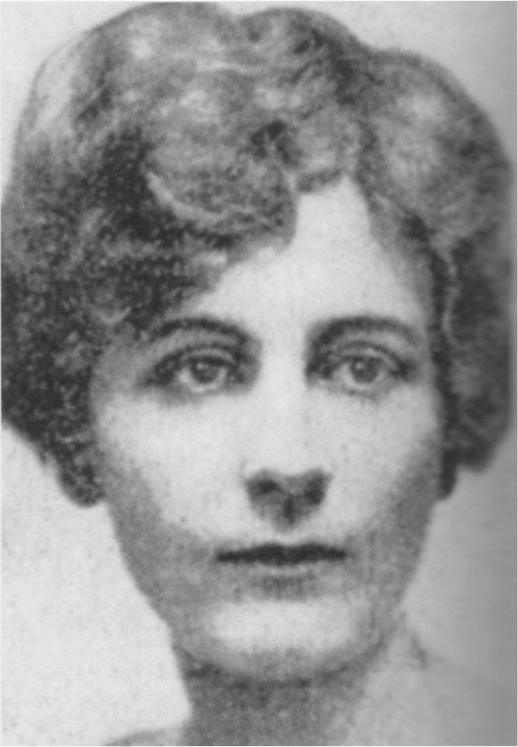
Emily Vanderbilt, who fascinated both Zelda and Scott and who committed suicide in May 1934. She led a gay social life in Paris and was drawn quickly into literary circles. Emily "tried to make him" according to F. Scott Fitzgerald, who followed her comings and goings with a fascinated eye. She would write Wolfe urgent notes written in a childish scrawl, begging to see him. Wolfe reportedly was astonished by her beauty and seductive charms, but was wary of her insolence and sexually aggressive ways. He found her "fundamentally trivial." Wolfe eventually used Emily as the character Amy Carlton in his novel You Can't Go Home Again. Fitzgerald praised his description of her "cracked grey eyes," and "exactly reproduced speech", as "simply perfect." Emily didn't limit her affairs to male writers. She was apparently a frequent figure in the lesbian demi-monde, dominated by Natalie Barney and Djuna Barnes.
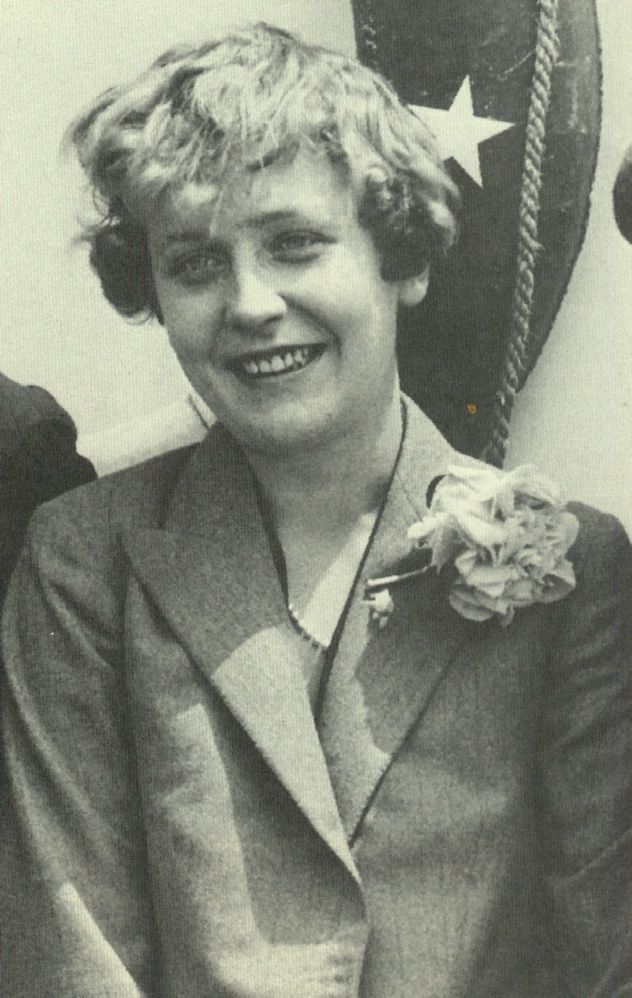
Emily Vanderbilt
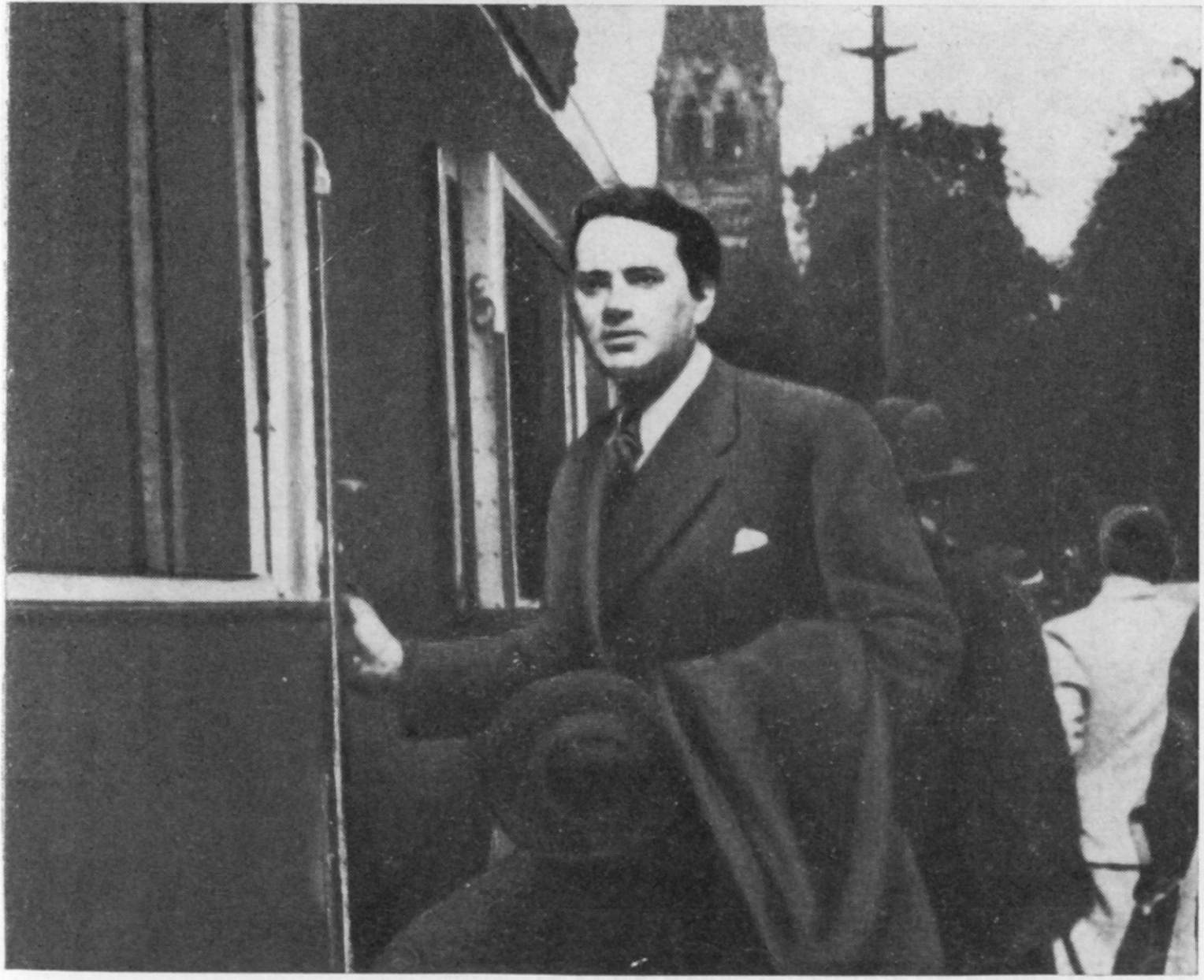
Thomas Wolfe, 1930.
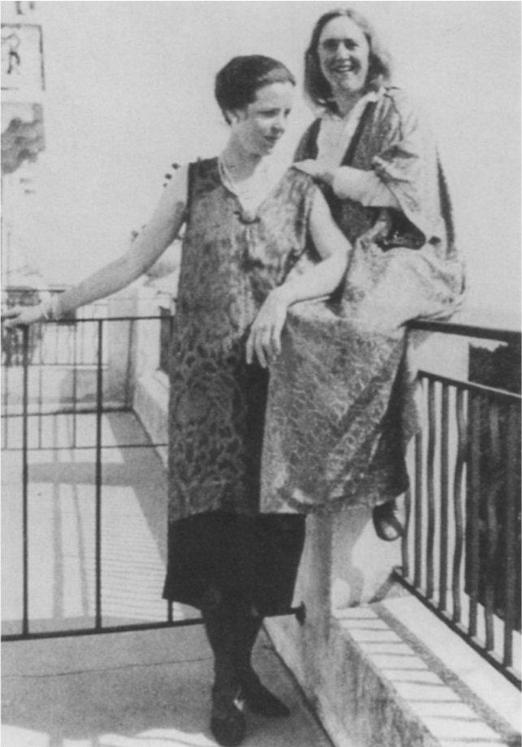
Parisian influences: famous lesbians and writers Natalie Barney and Djuna Barnes, Nice, France 1928–30. Zelda frequented Barney’s literary salon in rue Jacob, Paris
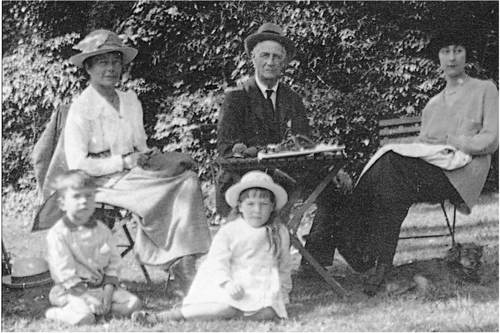
Bijou O’Conor (right) with her father, Sir Francis Elliot, c. 1925: Bijou, who resembled Edith Sitwell, was thin, chic and jolie-laide, with fine features and soft brown eyes. (Sir William Young). In 1975 Bijou admitted in her memoirs that she had an affair with Fitzgerald in 1930.
Hollywood Friends (After 1927)
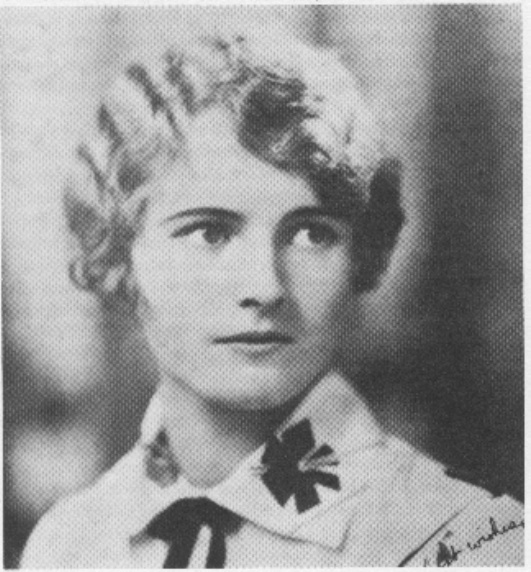
Lois Moran, c. 1930: “Her fine forehead sloped gently up to where her hair, bordering it like an armorial shield, burst into lovelocks.” (Timothy Young)
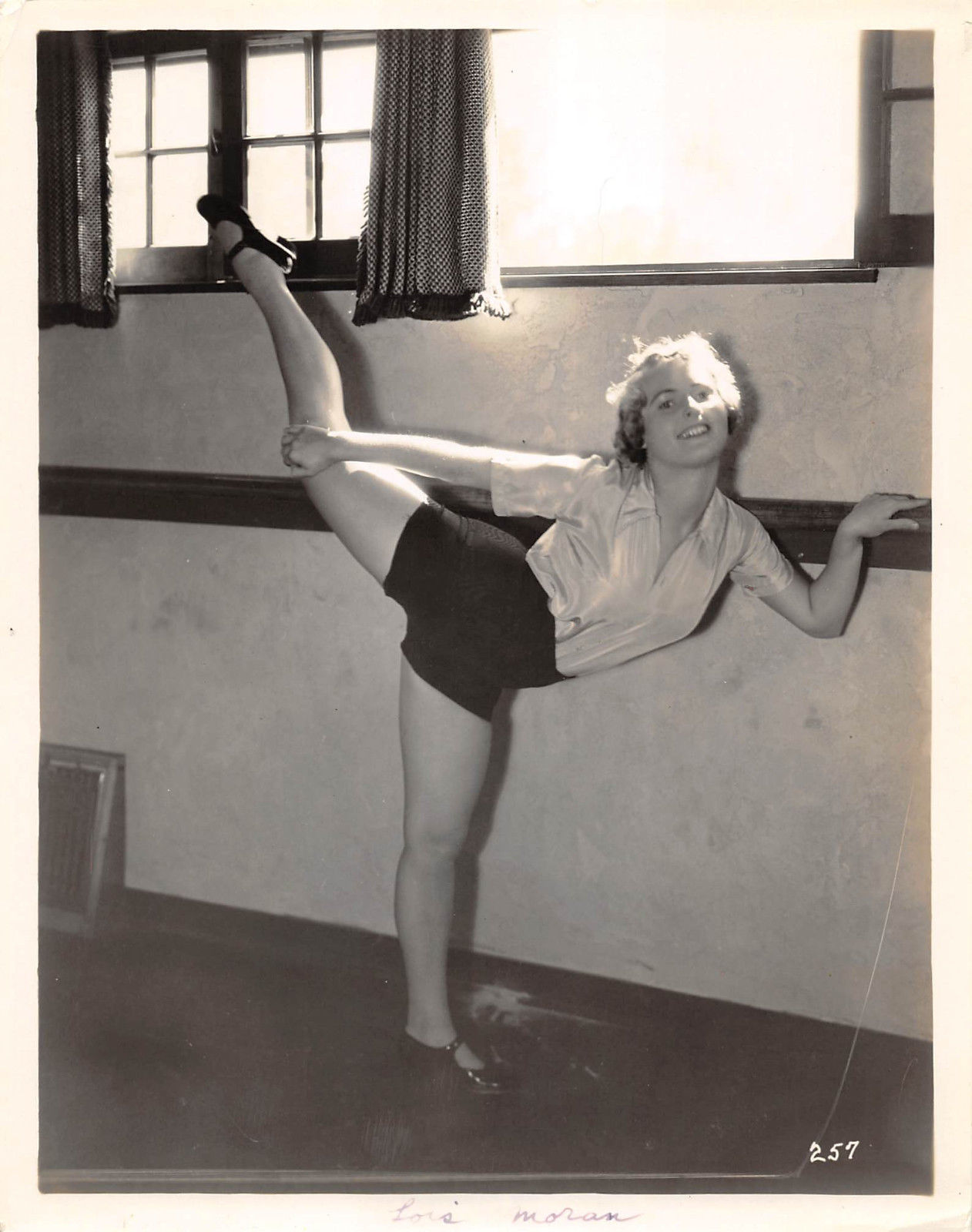
Lois Moran
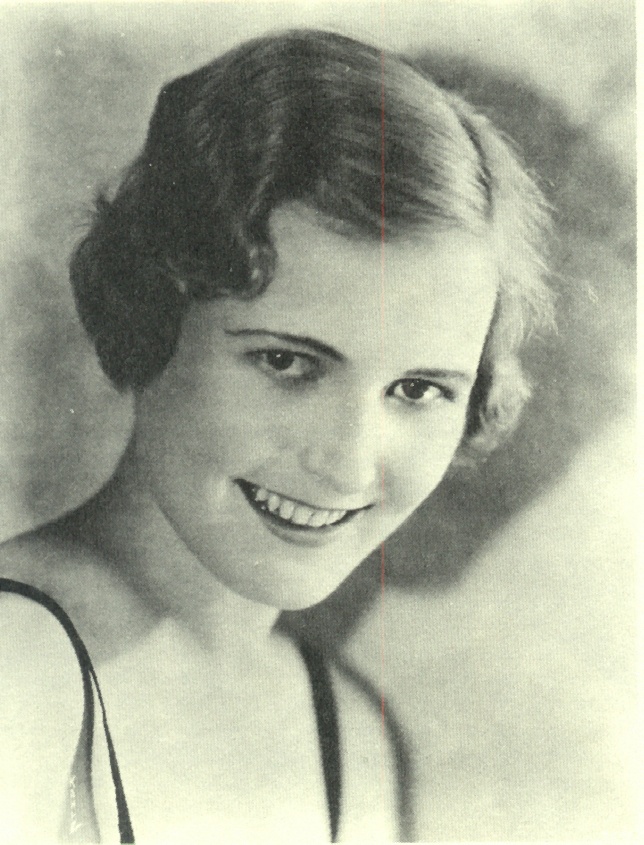
Lois Moran
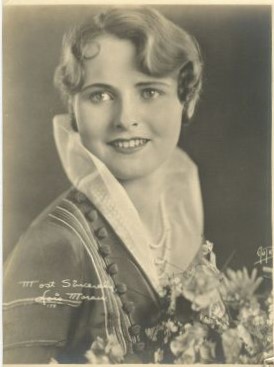
Lois Moran
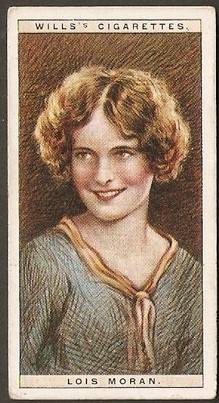
Lois Moran, cigarette
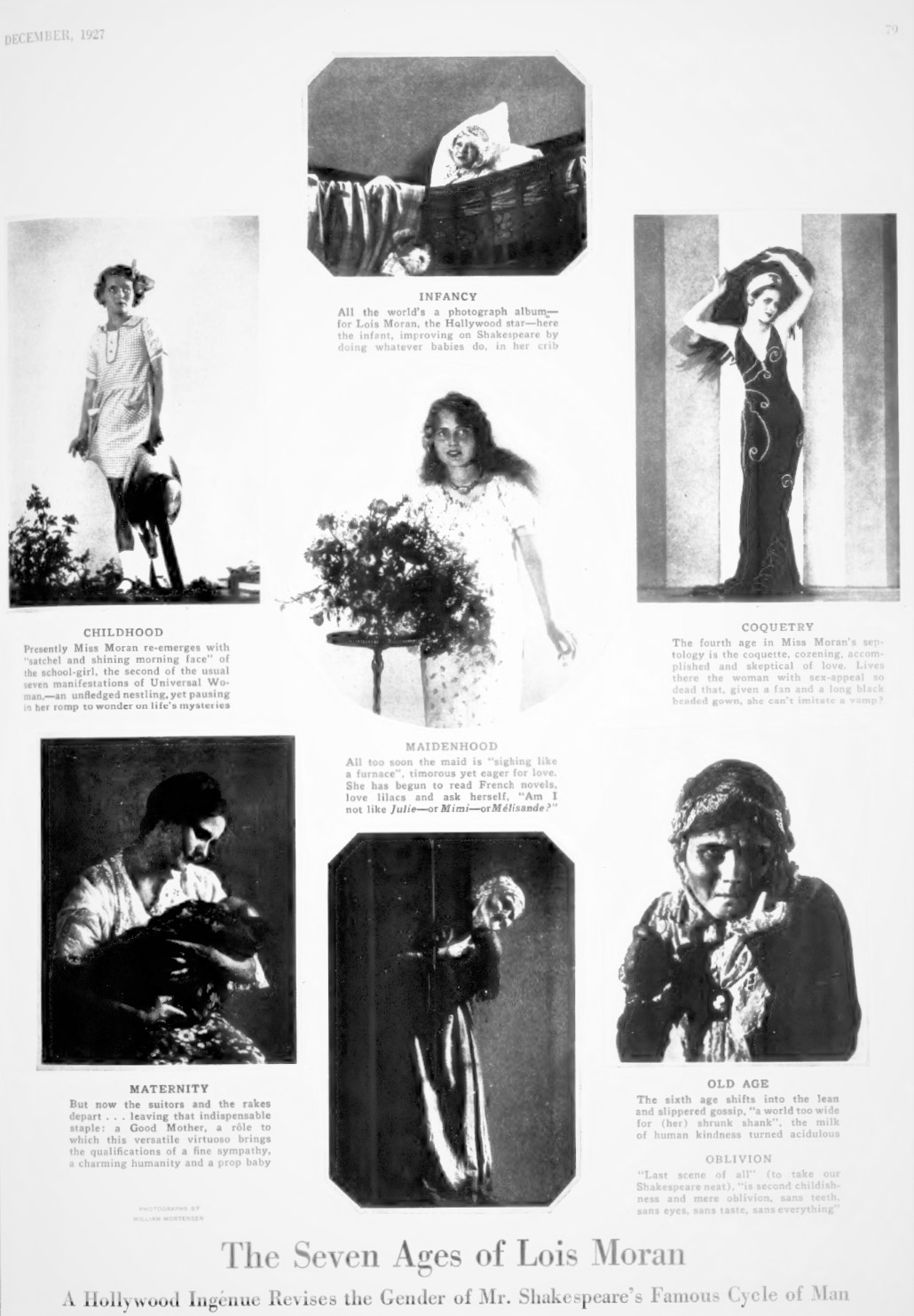
Lois Moran, promo article from Time magazine, December 1927.
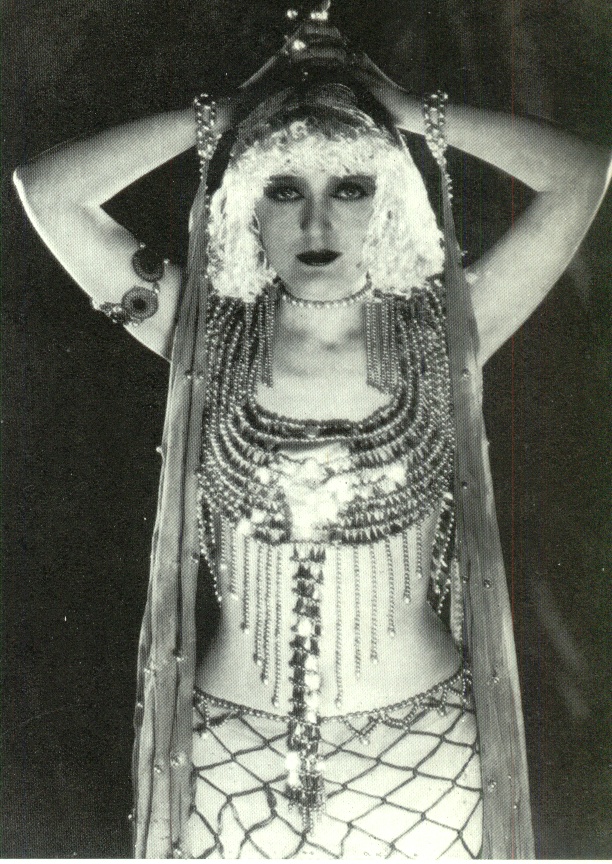
Carmel Myers in "Ben-Hur", 1925.
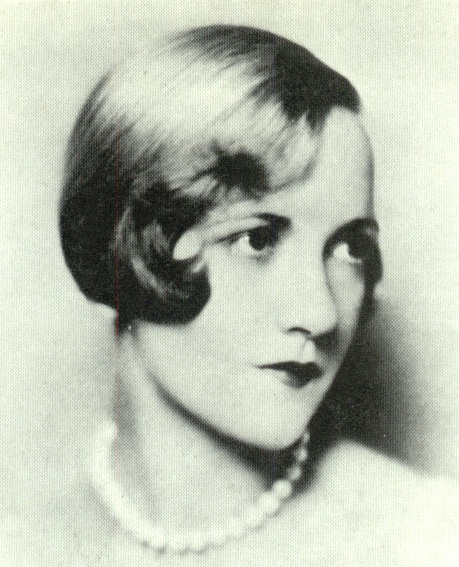
Constance Talmage. Fitzgerald wrote the "Lipstick" script for her.
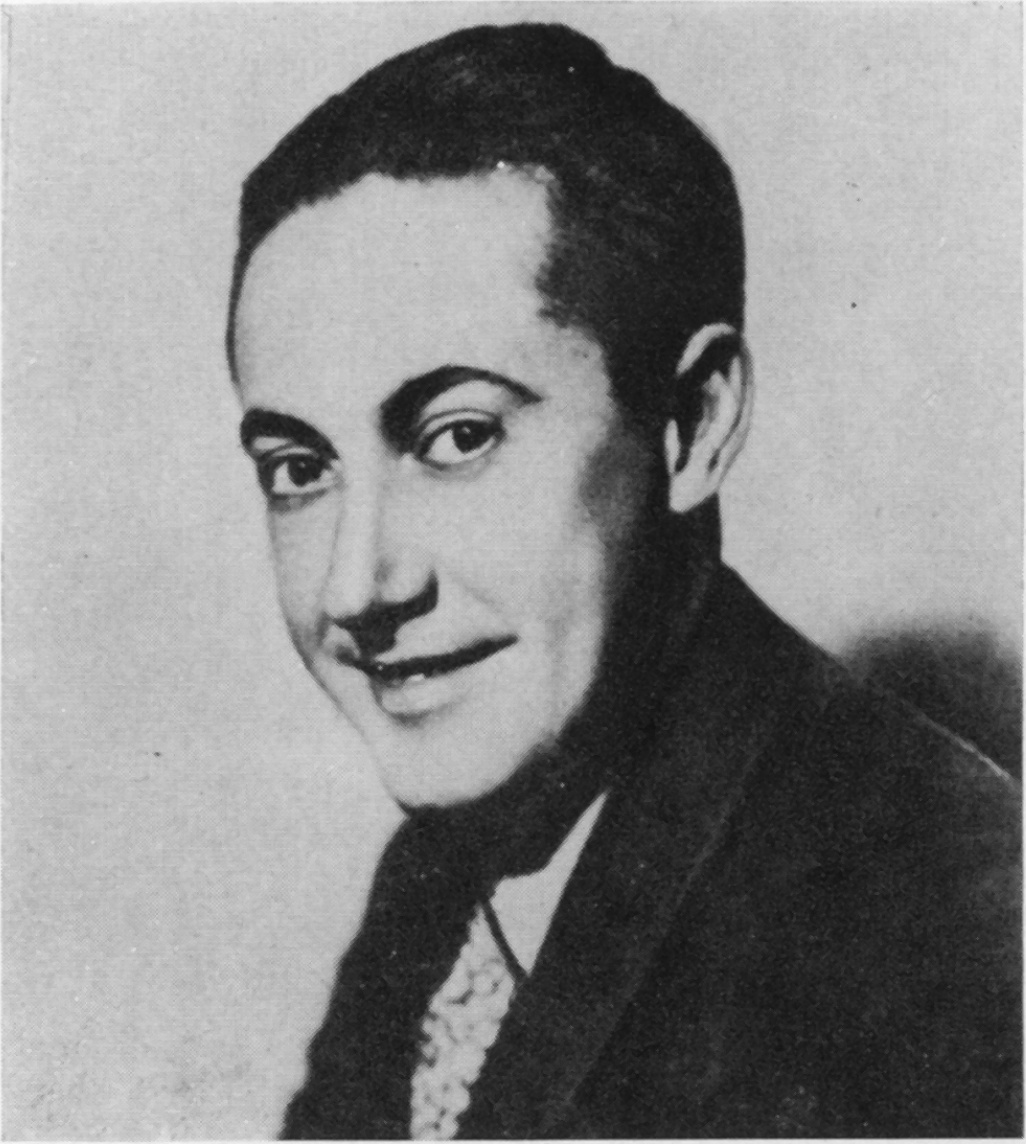
Irving Thalberg in 1936.
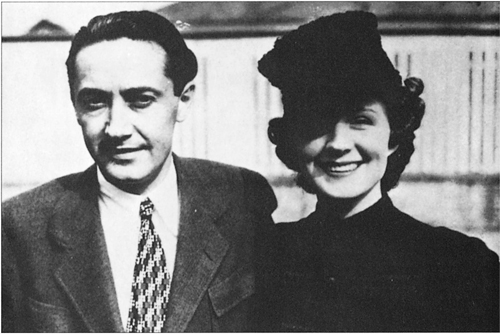
Irving Thalberg and Norma Shearer Thalberg, mid-1930s: “The intellectual high priest of Hollywood” had rare taste, self-assurance, decisiveness and respect for excellence.
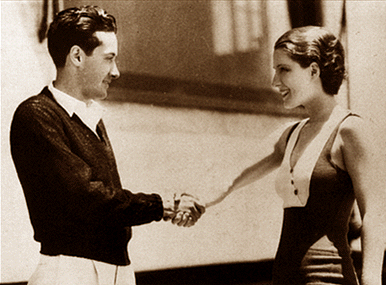
Thalbergs.
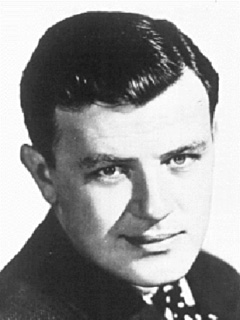
Joseph Mankiewicz, Hollywood producer, c. 1932.
Scott's Secretaries and Zelda's Doctors
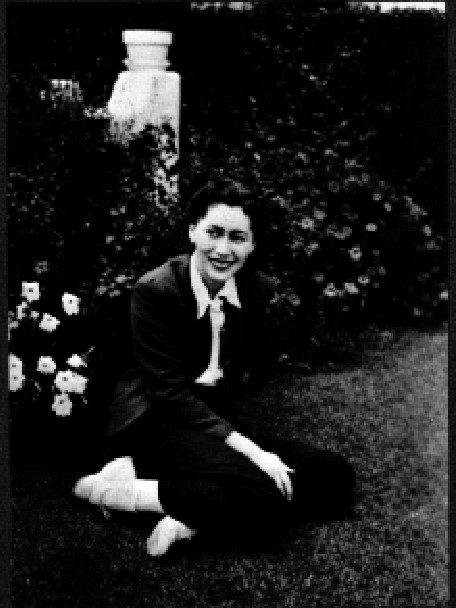
Frances Kroll (Ring), Fitzgerald's secretary from 1938.
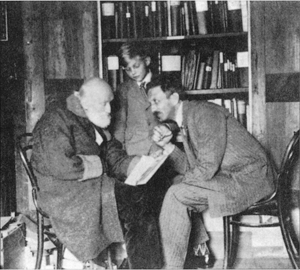
Dr. Oscar Forel with his father, Auguste, and his son, Armand, C. 1930: The exceptionally talented and versatile Forel was a tall, thin, well-dressed and highly cultivated gentleman. (Armand Forel)
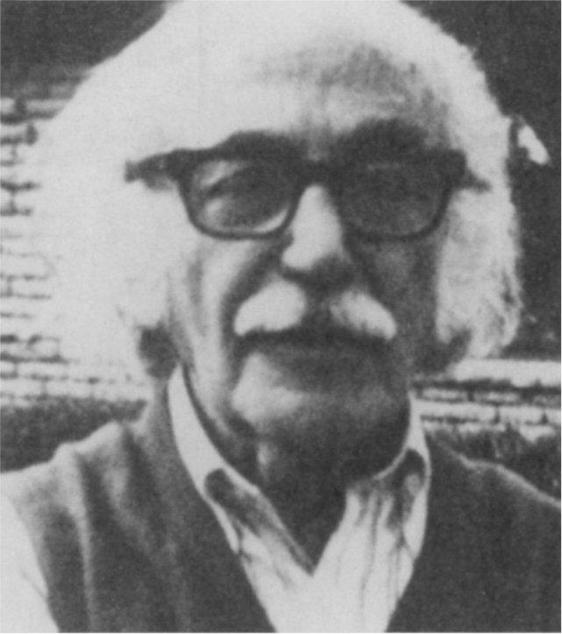
Dr. Irving Pine, Zelda’s last psychiatrist, in 1990. He believed Zelda had been misdiagnosed and suffered as much from medical mistreatment as from her mental illness
Next Fitzgerald' Photo Collection: F. Scott Fitzgerald's Places (Houses, Hotels, Events)